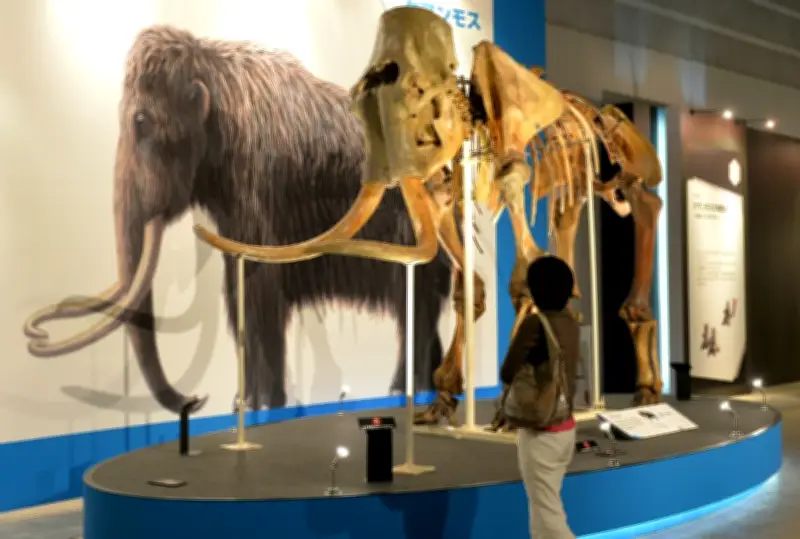
Arctic ground squirrels are proving to be unexpected treasure troves of ancient DNA, with scientists uncovering genetic material from woolly mammoths and other long-gone creatures in their frozen feces. A new study published in Nature Communications reveals that the DNA found in sealed-off burrows in Canada's remote Yukon territory dates back between 3,000 and 700,000 years, providing a rare window into how life has evolved over millennia.
Ancient DNA Discovery
The research team, led by Tyler Murchie, a paleogenomics researcher at Canada's McMaster University, analyzed frozen feces from Arctic ground squirrels. They found DNA from woolly mammoths, wolves, bison, horses, a cheetah, and hundreds of plants. The discovery was a surprise, as the scientists initially aimed to study the squirrel's microbiome.
"We were just expecting to study the squirrel's microbiome before coming across the really surprising biodiversity of organisms," Murchie said. He admitted that digging through squirrel poop might sound "less appealing" than finding a mammoth tusk, but the "spectacular" amount of information uncovered suggests feces is an overlooked way to explore Earth's distant past.

Why Arctic Ground Squirrels?
Arctic ground squirrels are ideal for this research due to their "natural archivist behavior," Murchie explained. These squirrels are conscious for only about four months a year, spending the rest hibernating. When awake, they gather as much food as possible, packing their burrows with nuts, seeds, leaves, bones, fur, and other materials. Over time, rising permafrost permanently sealed some burrows in the Yukon, creating perfectly preserved time capsules.
The team even found a "super cute little guy" frozen in time—a squirrel that went to sleep one season and never woke up, only to be discovered by paleontologists later.
Reconstructing Ancient Genomes
The scientists used the DNA to reconstruct 18 mitochondrial genomes, including six from woolly mammoths that lived in different eras. This process involves using computers to piece together DNA fragments like puzzle pieces, Murchie noted.
Implications for De-Extinction
Colossal, a US company, has announced plans to resurrect the woolly mammoth, which went extinct around 4,000 years ago. However, experts are skeptical, suggesting the resulting animal would be more like an Asian elephant with genetic tweaks to resemble a mammoth. Murchie, who is not affiliated with Colossal, said the genetic data from this study will be publicly available for the company to use, but added, "They already have so much DNA to go off of—whole genomes from different organisms—so I'm sure ours is a drop in the bucket."
Future Research
The team is working on another study describing what the DNA reveals about woolly mammoth evolution. Murchie could not disclose details but called it "super cool." He expressed amazement at the insights gained from squirrel feces: "I can't believe that we were able to get these insights from squirrel faeces."