The 2026 Kraszna-Krausz photography book award has been won by Sasha Kurmaz for Red Horse, a devastating visual diary of living through the war in Ukraine. The annual prize, which recognises outstanding contributions to photography and moving-image work through books, also named Onyeka Igwe as the winner of the moving image book award for June Givanni: The Making of a Pan-African Cinema Archive.
Judges Praise Raw Brutality of Winning Book
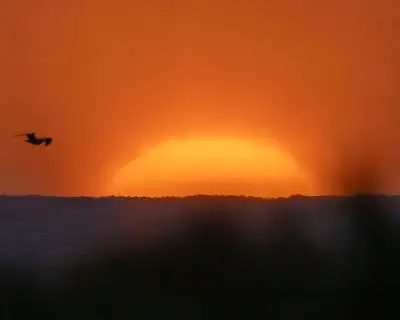
Judges described Red Horse as 'a visceral album of living through modern conflict, specifically the war in Ukraine. Kurmaz creates multiple pages that embody the precariousness of existence, each presenting the raw brutality of conflict. The book serves as an archive of his everyday life and the lives of those around him, its pages constantly being reshaped by the war.'
Longlist Spans Diverse Themes
This year's longlist included deeply personal approaches to race, representation, identity and sexuality, notions of 'the other' and the preservation and transformation of the past. The winning and longlisted books will be on display as part of the Kraszna-Krausz Photobook Weekender at POST in Brighton on 4 and 5 July.

Swan Moon's Swan Moon
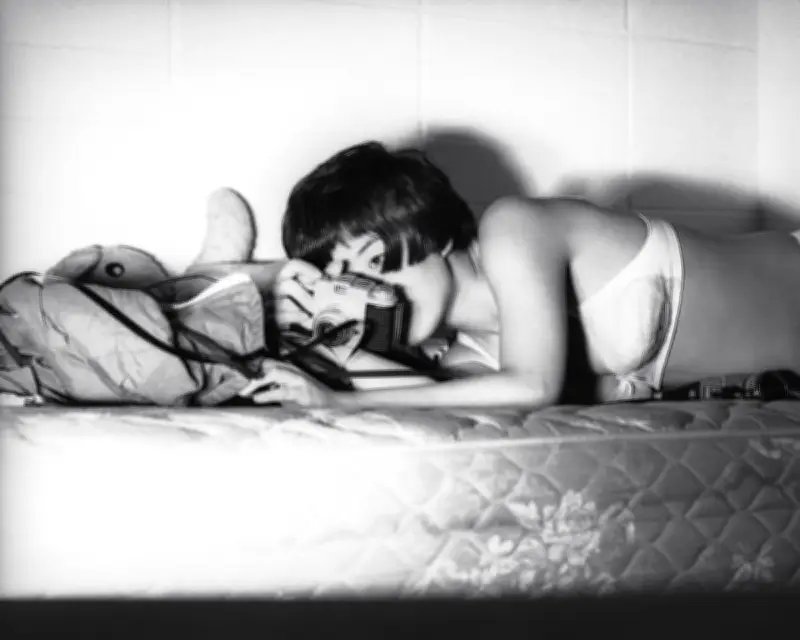
Judge Fiona Rogers commented: 'This beautiful book weaves a curious mix of 1950s vintage nostalgia with the faded glamour of 1990s Hollywood. Drawing deeply on the history and language of cinema, Swan Moon's Swan Moon deftly combines portraiture and performance in luminous black and white. Each image is a still from an imagined film in which Moon and her friends occupy central characters. The work offers a distinctive perspective on youth culture and the enduring concept of the American dream.'
Janet Delaney's Too Many Products Too Much Pressure
Judge Diane Smyth said: 'Following her father in his last week as a beauty product salesman, Janet Delaney's book is a gentle, humorous and ultimately moving portrait of a man and his work. Including transcripts of conversations between her father and his customers, plus moving texts by Delaney and her mother, the book shows the value of an easily overlooked community.'
Renée Mussai's Black Chronicles
Judge Jermaine Francis noted: 'This book is a gift of real importance and significance. It destroys the preconceptions of Black presence only after Windrush by presenting a collection of Black portraiture from the Victorian period. Making the invisible visible, these images of Black people have lain silent in the archives. Accompanied by Renée Mussai's rich biographical material, the portraits are finally given voices.'
David Alekhuogie's A Reprise
Fiona Rogers added: 'A playful yet provocative critique of the legacies and circulation of African art, A Reprise functions as a reparative gesture through staged photography and Dada-inspired collage. Drawing on Walker Evans' 1935 commission by the Museum of Modern Art to document objects from the exhibition African Negro Art, David Alekhuogie remixes these black-and-white images with vibrant African textiles, offering an alternative perspective while raising vital questions about authenticity and artistic authorship.'
Raymond Thompson Jr's It's Hard to Stop Rebels That Time Travel
Jermaine Francis described: 'Thompson Jr presents a sensitive, intimate love letter to his ancestors. It is part exploration into hauntology, part conversation with the past, philosophical musings and a declaration of defiance. Thompson tells the story of the Maroons who escaped slavery in the US and built communities in the swamps. What made this book special was the dialogue from the present to the past. Photographs, historical texts, documents and newspaper articles become portals – entry points to conceptually travel through time.'
Bryan Anselm's Sound the Sirens
Diane Smyth observed: 'The back of an elevated "hurricane-proof" home which was torn away by Hurricane Michael's storm surge in Mexico Beach, Florida on 17 November, 2018. Featuring tightly cropped frames of often disorientating scenes, Sound the Sirens is a compelling insight into the reality of climate change. Eschewing straight narratives that retain our sense of control or even distance, it lays out our messy impending future with a sense of the chaos it will evoke.'

Piero Martinello and Piero Casentini's The Weight of the Word
Diane Smyth commented: 'The Weight of the Word is quietly chilling. Combining archival medical images, official portraits and shots of talks and events, it suggests the role photography played in legitimising and promoting nine Nazi doctors and their dehumanising views. The modest production of the book, which has soft covers and minimal borders, suggests a compelling sense of gravity and economy – this is information that needs to be shared, not a luxurious overproduced tome destined to die on the coffee table.'
Arthur Tress's The Ramble
Jermaine Francis said: 'Arthur Tress's beautiful, tender and surreal photographs document the cruising scene in the artificially created woodland area known as the Ramble, a queer space that existed in 1960s Central Park. This book is about the act of looking; men looking at men cruising; Tress looking at them through his lens; and now us, as participants in this process decades later. Unlike other projects of this genre, which can be voyeuristic and anthropological, the participatory process created in this book is what helps take these images into a different space.'
Hoda Afshar's The Fold
Fiona Rogers concluded: 'The Fold offers a compelling reassessment of photography's colonial entanglements and its fixation on 'the other'. Drawing on the unusual archive of Gaëtan Gatian de Clérambault (1872–1934) and his photographs of veiled subjects, Hoda Afshar stages a critical intervention through cropping, fragmentation, and repetition. The cumulative effect is dizzying and deliberately disorientating. In reworking these images, Afshar destabilises notions of the exotic, confronting the persistent complexities surrounding women, visibility and concealment.'