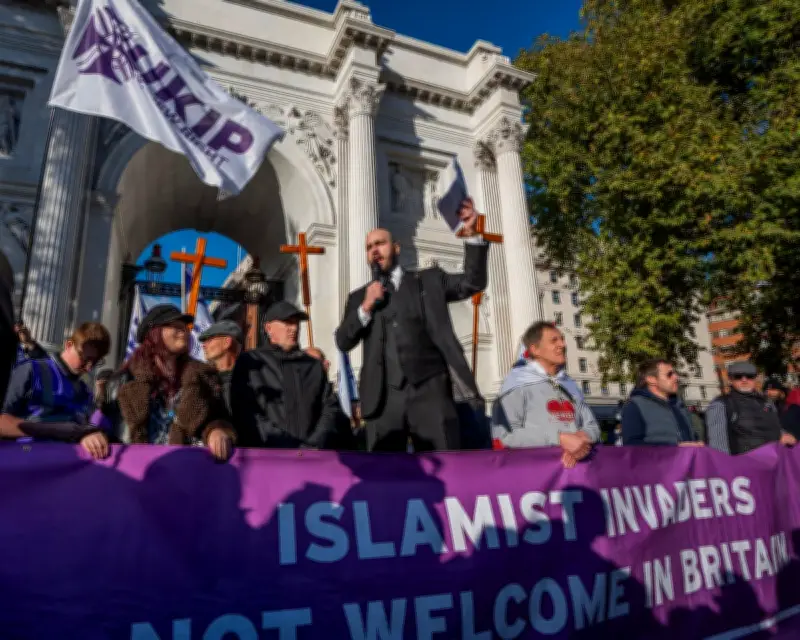
A recent poll has found that two in five Britons believe Muslims are unable to integrate into UK society, sparking debate about community relations and prejudice. The survey, conducted by YouGov on behalf of the campaign group Hope Not Hate, indicates that 40% of respondents think Muslims cannot integrate, while 38% disagree and 22% are unsure.
Poll Details and Demographics
The poll, which sampled 2,000 adults across Great Britain in June 2026, also found that attitudes vary significantly by age and political affiliation. Among those aged 65 and over, 55% agreed that Muslims cannot integrate, compared to just 24% of 18- to 24-year-olds. Conservative voters were more likely to hold this view (58%) than Labour voters (30%) or Liberal Democrats (28%).
According to Nick Lowles, chief executive of Hope Not Hate, the findings are alarming. “These results show that anti-Muslim sentiment is deeply embedded in British society,” he said. “It is essential that we challenge these misconceptions and promote understanding between communities.”

Impact on Community Relations
The poll comes amid growing concerns about Islamophobia in the UK. A separate study by the University of Cambridge in 2025 found that hate crimes against Muslims have risen by 15% over the past three years. Community leaders have called for more education and dialogue to bridge divides.
Dr. Fatima Ahmed, a sociologist at the University of Birmingham, commented: “The perception that Muslims cannot integrate is often based on stereotypes rather than reality. Many Muslims are actively involved in their local communities, schools, and businesses.”
Government and Policy Responses
The UK government has pledged to tackle extremism and promote integration through its “One Britain” strategy, which includes funding for interfaith projects and English language classes. However, critics argue that more needs to be done to address systemic discrimination.
Home Secretary James Turner said: “We are committed to building a society where everyone feels they belong. This poll shows there is still work to be done, and we will continue to support initiatives that bring people together.”