A tropical heron has been spotted in the United Kingdom for the first time, delighting birdwatchers and sparking discussions about the effects of climate change on avian migration patterns.
Rare Sighting in Cornwall
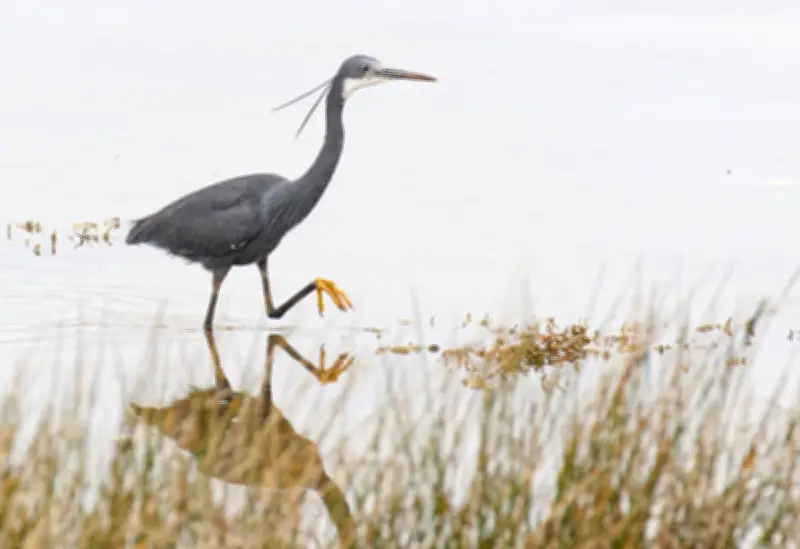
The green heron, a species typically found in the Americas and parts of Africa, was observed at a nature reserve in Cornwall. The bird was first noticed by local birdwatchers who immediately recognized it as an unusual visitor. Experts confirmed the sighting, marking a historic moment for British ornithology.
Implications for Climate Change
Scientists suggest that the appearance of the green heron in the UK could be linked to changing weather patterns. Warmer temperatures and shifting habitats may be encouraging birds to venture beyond their traditional ranges. This phenomenon is increasingly common as global temperatures rise.

Dr. Emily Watson, an ornithologist at the University of Exeter, commented: "This sighting is a clear indicator that our climate is changing. Birds are adapting, and we are seeing species that were once confined to tropical regions appearing in temperate zones."
Excitement Among Birdwatchers
The news has generated significant excitement among the birdwatching community. Hundreds of enthusiasts have traveled to Cornwall in hopes of catching a glimpse of the heron. Local authorities have set up viewing areas to manage the crowds and minimize disturbance to the bird.
"It's absolutely incredible to see a green heron here in the UK," said John Smith, a birdwatcher from London. "This is a once-in-a-lifetime opportunity for many of us."
Conservation Concerns
While the sighting is thrilling, conservationists warn that such shifts can disrupt local ecosystems. The green heron may compete with native species for food and nesting sites. Monitoring will be essential to understand its impact.
The Royal Society for the Protection of Birds (RSPB) is advising the public to keep a safe distance and report any further sightings. The organization emphasizes the importance of protecting both native and visiting bird species.
This historic sighting serves as a vivid reminder of the dynamic nature of our planet's wildlife and the far-reaching effects of climate change.