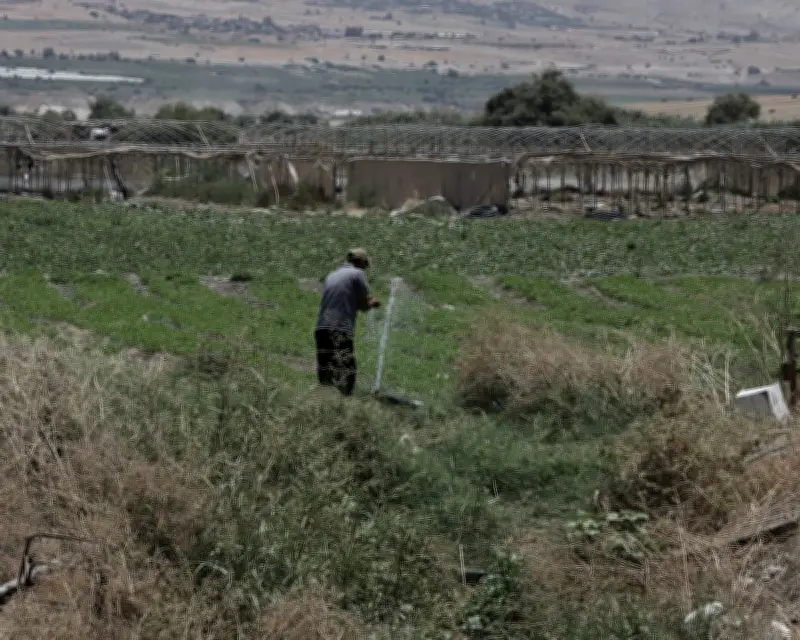
An Israeli investigation has uncovered that products originating from settlements in occupied Palestinian territories are being sold in European markets, potentially violating international law and European Union regulations. The probe, conducted by an Israeli watchdog group, traced goods such as wine, olive oil, and cosmetics from West Bank settlements to retailers in several European countries, including Germany, France, and the United Kingdom.
Scope of the Investigation
The investigation identified dozens of products labeled as "Made in Israel" despite being produced in settlements, which are considered illegal under international law. The European Union requires clear labeling of settlement products, but many items were found to be mislabeled or lacking proper origin information. The watchdog group used tracking technology and supply chain analysis to follow the goods from production to sale.
Legal and Ethical Implications
International law prohibits trade with settlements in occupied territories, and the European Union has issued guidelines distinguishing between Israeli products and those from settlements. However, enforcement has been inconsistent, allowing settlement goods to enter European markets. The investigation has prompted calls for stricter oversight and penalties for companies that mislabel products.

Human rights groups have long argued that trade in settlement products undermines Palestinian rights and violates the Fourth Geneva Convention. The European Union has faced criticism for not doing enough to prevent the sale of such goods. In response, some European countries have announced plans to increase inspections and impose fines on violators.
Reactions and Next Steps
The Israeli government has not officially commented on the investigation, but settlement advocates have rejected the findings, claiming the products are legally Israeli. Palestinian officials have welcomed the investigation, urging European nations to take action. The European Commission has stated it will review the report and consider further measures to ensure compliance with EU regulations.
Consumer awareness campaigns are also underway, with activists calling for boycotts of settlement products. The investigation highlights the challenges of regulating trade in conflict zones and the need for international cooperation to uphold legal standards.