As the 2026 World Cup progresses, a question is emerging: could Asian teams be closing the gap with their European counterparts? Historically, European and South American nations have dominated the tournament, but recent performances suggest a shift.
Improved Performances
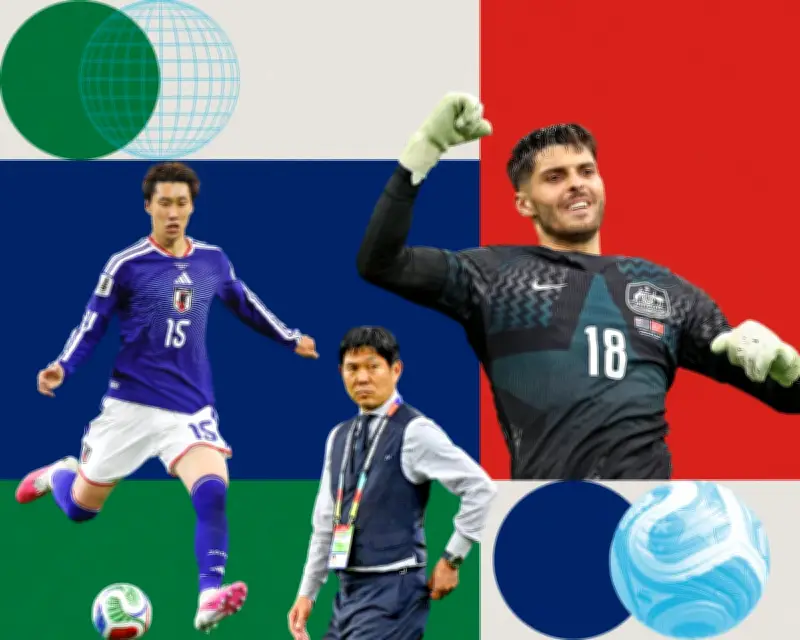
Asian teams have shown remarkable improvement in this World Cup. Japan, South Korea, and Australia have all secured impressive results against traditionally stronger European sides. Japan's tactical discipline and South Korea's relentless pressing have troubled European defenses, while Australia's physicality has matched that of their opponents.
Factors Behind the Rise
Several factors contribute to this trend. Firstly, investment in domestic leagues and youth academies in Asia has increased significantly. Countries like Japan and South Korea have long-standing football cultures, but others such as Saudi Arabia and Qatar have poured resources into developing talent. Additionally, many Asian players now ply their trade in top European leagues, gaining valuable experience and exposure.

Tactical Evolution
Asian teams have also evolved tactically. They are no longer just defensively solid but are now capable of controlling possession and creating scoring opportunities. Coaches from Europe have brought modern methodologies, and local coaches have adapted them to suit Asian players' strengths, such as speed and agility.
Challenges Remain
Despite progress, Asian teams still face challenges. The depth of talent in Europe remains superior, and Asian sides often struggle in high-pressure knockout matches. Physicality and aerial duels remain areas where European teams hold an edge.
Looking Ahead
While it may be premature to say Asian teams have fully caught up, the gap is undoubtedly narrowing. If current trends continue, we may see an Asian team reach the semifinals or even the final in the near future. This World Cup could be a turning point, signaling a more competitive global landscape in football.