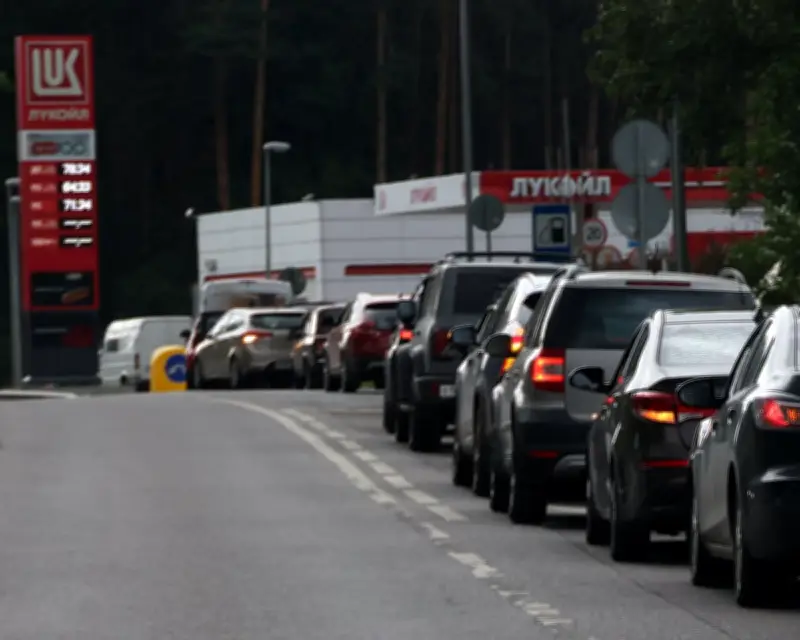
Russia has imposed a six-month ban on diesel exports, effective immediately, as Ukrainian drone strikes on key refineries trigger severe gas shortages and price spikes across the country. The Russian government announced the measure on Friday, citing the need to stabilize domestic fuel markets after a series of attacks disrupted refining capacity.
Details of the Ban
The export ban covers all diesel fuel, excluding supplies to Belarus, Kazakhstan, and other members of the Eurasian Economic Union. The decision follows a sharp rise in wholesale diesel prices, which surged by 15% in the past week, according to data from the St. Petersburg International Mercantile Exchange. Retail gas prices have also climbed by 8% in some regions, prompting public concern.
Russian Deputy Prime Minister Alexander Novak stated, 'The government is taking necessary steps to ensure a stable supply of fuel to the domestic market and prevent further price increases.' The ban is expected to last until January 31, 2027, unless extended.

Impact of Ukrainian Attacks
Ukraine has intensified its drone campaign against Russian oil infrastructure in recent weeks. On Monday, a Ukrainian drone struck the Taneco refinery in Tatarstan, one of Russia's largest, causing a fire that damaged a key distillation unit. The attack reduced the refinery's output by an estimated 30%, according to industry sources. Similar strikes have hit facilities in Krasnodar, Ryazan, and Nizhny Novgorod, collectively cutting Russia's refining capacity by around 12%.
The Ukrainian military claimed responsibility for the attacks, stating they are part of a strategy to disrupt Russia's war effort. 'Every ton of fuel that doesn't reach Russian tanks is a step closer to victory,' said a Ukrainian defense official, speaking on condition of anonymity.
Economic Consequences
The export ban is likely to have global repercussions. Russia is one of the world's largest diesel exporters, shipping approximately 750,000 barrels per day in 2025. The sudden withdrawal of supply is expected to tighten global diesel markets, potentially raising prices for consumers in Europe and Asia. Analysts at S&P Global Commodity Insights warned that the ban could push diesel prices up by 10-15% in the short term.
Domestically, the Russian government faces a delicate balancing act. While the ban aims to ease local shortages, it also reduces much-needed export revenue. Russia's budget, already strained by Western sanctions and war expenditures, relies heavily on energy exports. The Finance Ministry estimates that the ban could cost the treasury up to $2 billion in lost revenue over six months.
Broader Context
The diesel crisis is the latest fallout from the ongoing war in Ukraine, which has entered its third year. Russia has repeatedly targeted Ukrainian energy infrastructure, but Ukraine's evolving drone capabilities have allowed it to strike deep inside Russian territory. The attacks on refineries are part of a broader campaign to degrade Russia's military logistics and economic stability.
Western officials have expressed concern over the potential for further escalation. 'This is a dangerous game of retaliation,' said a senior European diplomat. 'If Russia cannot meet its domestic fuel needs, it may resort to even more aggressive measures to secure supplies.'
Meanwhile, the International Energy Agency has urged countries to release strategic petroleum reserves if needed to stabilize markets. The agency's executive director, Fatih Birol, called the situation 'a stark reminder of the fragility of global energy supply chains.'