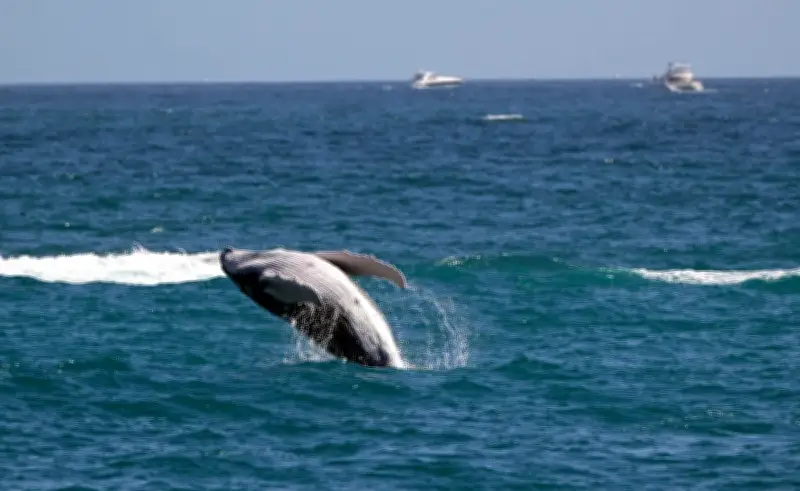
The population of Pacific gray whales has declined dramatically, with numbers falling by 38% since 2016, according to a new study published in the journal Science. The research, led by scientists from the National Oceanic and Atmospheric Administration (NOAA), attributes the decline to climate change-induced disruptions in their Arctic feeding grounds.
Drastic Decline in Numbers
The study estimates that the current population of eastern North Pacific gray whales is approximately 14,500, down from 23,000 in 2016. This decline has raised concerns among marine biologists, as gray whales were once considered a conservation success story after recovering from near-extinction due to commercial whaling.
"The magnitude of the decline is alarming," said Dr. Sue Moore, a co-author of the study and a marine ecologist at NOAA. "These whales are facing unprecedented challenges in their primary feeding areas."

Climate Change Disrupts Food Supply
The researchers found that warming waters in the Arctic are reducing the availability of amphipods, small shrimp-like crustaceans that are the whales' primary food source. The decline in amphipods is linked to reduced sea ice cover, which affects the algae that grow on the underside of ice, forming the base of the food web.
"As sea ice diminishes, the entire ecosystem shifts," explained Dr. Moore. "The gray whales are essentially running out of food."
Impact on Migration and Reproduction
The population decline has also affected the whales' migration patterns and reproductive success. The study noted that fewer calves are being born, and many whales appear to be in poor body condition. Some whales have been observed altering their migration routes, traveling further or stopping in different locations to find food.
"We're seeing skinny whales, and fewer calves," said Dr. John Calambokidis, a co-author and senior research biologist at the Cascadia Research Collective. "This is a clear sign that the population is under stress."
Broader Implications for Marine Ecosystems
The decline of Pacific gray whales has broader implications for the marine ecosystem. Gray whales are known as "ecosystem engineers" because their feeding behavior stirs up sediment and distributes nutrients, benefiting other species. Their decline could have cascading effects on the ocean floor community.
"Gray whales play a key role in the health of the seafloor ecosystem," said Dr. Calambokidis. "Their decline could affect everything from other invertebrates to fish."
Conservation and Management Challenges
Conservationists are calling for increased monitoring and protection measures for the gray whale population. The species is currently listed as "Least Concern" by the International Union for Conservation of Nature (IUCN), but the new data suggests a reassessment may be needed.
"The situation is a stark reminder that even species that have recovered from past threats are vulnerable to new pressures from climate change," said Dr. Moore. "We need to adapt our conservation strategies to address these emerging challenges."
The study underscores the urgent need to address climate change and its impacts on marine life. As Arctic warming continues, the fate of the Pacific gray whale hangs in the balance.