A 'witch-hunt' is under way in Niger, where dozens of people have been arrested for homosexuality following the introduction of a new penal code earlier this year. Up to 40 people have been arrested and 16 men, including high-ranking military officials, have been imprisoned across the country, according to local media.
HIV Services Halted Amid Toxic Climate
Organisations providing HIV services to men who have sex with men have had to stop working, according to a source who asked to remain anonymous. 'With the recent witch-hunt, and these arrests that are taking place, the climate here is truly toxic,' they said. 'LGBTQ+ populations are keeping a low profile and have gone into hiding because they are at risk. We have lost contact with many and the recent arrests have exacerbated tensions.'
New Penal Code Criminalises Homosexuality
Niger's new penal code, enacted in February, dictates that 'indecent or unnatural acts' and 'sexual relations with a person of the same sex' are punishable by imprisonment of up to 10 years and a fine of up to 100m West African CFA francs (£130,000). It is the first time in the country’s history that homosexuality has been criminalised and follows the introduction of similar laws in neighbouring Mali and Burkina Faso within the past two years.

Military Leader's Anti-Imperialist Agenda
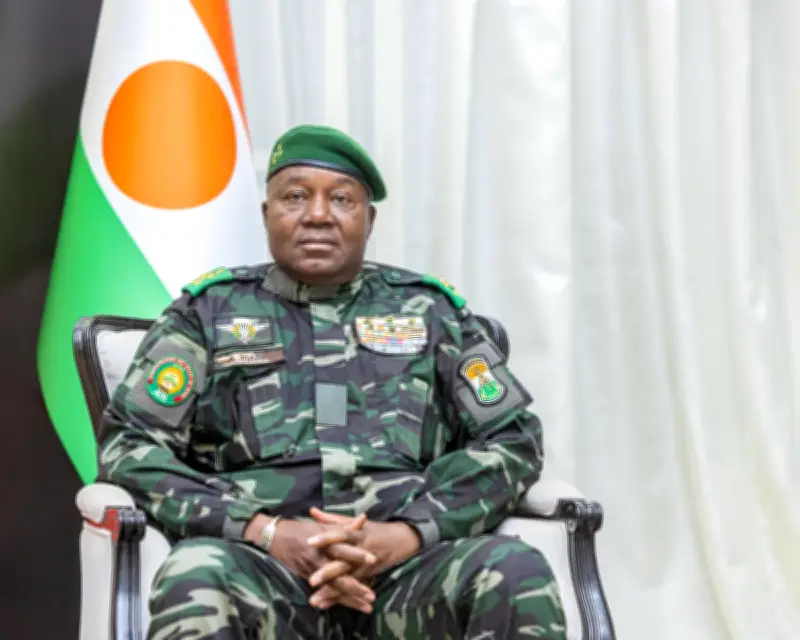
Gen Abdourahamane Tiani, the head of the military government, seized power in a coup d’état in July 2023 and was sworn in as president in 2025 for a term of five years, dissolving all political parties. The former UN peacekeeper has pushed anti-imperialist rhetoric and formed the Alliance of Sahel States with Burkina Faso and Mali, breaking away from Ecowas.
Larissa Kojoué, a political scientist and pan-African activist, dismissed the idea of homosexuality being linked to western culture. 'Political leaders are using this to advance their own political agenda,' she said. 'They claim “African values”, sovereignty and culture, all the while happily undermining human rights for people.' She added: 'There is no culture that encourages violence against innocent people, or that doesn’t hold perpetrators of violence accountable. But on the [African] continent you can do whatever you want with LGBTQ+ people and get away with it.'
Harsh Penalties and Loss of Access to Prevention
The penal code also mandates prison terms of up to 20 years for those participating in, witnessing or organising a gay marriage. Any person or organisation involved with clubs, societies or organisations for LGBTQ+ people, either directly or indirectly, is liable to be imprisoned for up to 20 years and face a fine of up to 500m CFA. Men who have sex with men no longer have access to condoms, testing services or PrEP (medication protecting against HIV).
The anonymous source warned of the risk of HIV infections spreading, saying: 'When people go into hiding, we won’t see them and they won’t be able to protect themselves. So you see the impact [this penal code] has. We are truly saddened by it.'
Regional and Global Context
Last week, Niger was among eight countries that voted against the UN’s political declaration on HIV/Aids, which was adopted by 149 votes. HIV infections increased between 2010 and 2025 in the Middle East, north Africa, Latin America, eastern Europe and Central Asia, according to the declaration. While western and central Africa has seen a 49% decline in new infections between 2010 and 2022, sub-Saharan Africa remains disproportionately affected, representing 64% of all people living with HIV globally. There were an estimated 32,000 new infections in Niger in 2023.
The reform of Niger’s penal code is part of a trend across sub-Saharan Africa towards more punitive legislation against LGBTQ+ people. Examples include Uganda’s 2023 Anti-Homosexuality Act, which made homosexual acts punishable by death; a new law in Senegal doubling the maximum prison term to 10 years for same-sex relations and criminalising the 'promotion' of homosexuality; and a bill in Ghana criminalising groups promoting gay rights and identifying as LGBTQ+. Globally, half of the 66 countries that criminalise consensual same-sex acts are African.

International Condemnation
In a statement, the international human rights group Front Line Defenders said it was 'deeply concerned' about developments in Niger, and called on authorities 'to repeal all provisions that criminalise individuals on the basis of their sexual orientation or gender identity, as well as the individuals supporting and defending them'.