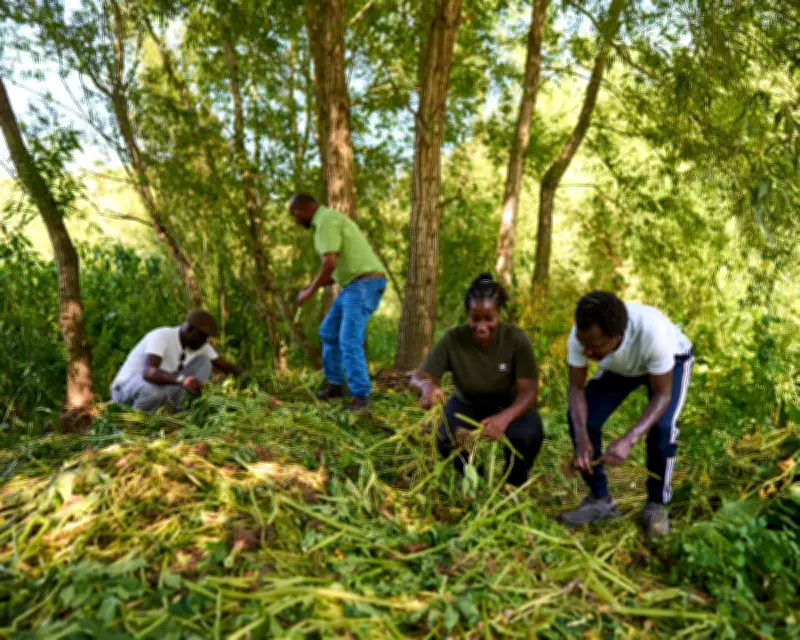
In the rolling hills of the UK countryside, a unique collaboration is taking root. Nature charities and asylum seekers are working side by side on conservation projects, creating a sense of belonging and purpose for those who have fled conflict and persecution.
Building Bridges Through Conservation
Organisations such as the Wildlife Trusts and the Woodland Trust have partnered with refugee charities to involve asylum seekers in activities like tree planting, habitat restoration, and wildlife monitoring. These projects not only benefit the environment but also provide participants with valuable skills, social connections, and a stake in their new communities.
According to a report by the Wildlife Trusts, over 500 asylum seekers have taken part in such initiatives across England, Wales, and Scotland since 2022. The projects are often funded by grants from the National Lottery and local councils.

Personal Stories of Transformation
One participant, a Syrian refugee named Ahmed, said: “When I first came to the UK, I felt lost. But being in nature, planting trees and seeing the wildlife, it reminds me of home. It gives me peace and a sense that I belong here.”
Another participant, Fatima from Afghanistan, added: “I learned English and made friends. The volunteers are kind. They treat us as equals. This project has changed my life.”
Challenges and Successes
Despite the positive outcomes, the collaboration faces challenges. Asylum seekers often have limited mobility due to housing restrictions and are not allowed to work, which can make participation difficult. Charities have adapted by providing transport and scheduling sessions flexibly.
Craig Bennett, CEO of the Wildlife Trusts, said: “We believe that everyone should have access to nature. By working with asylum seekers, we are not only helping to restore nature but also helping people to heal and integrate.”
Impact on Local Communities
The projects have also fostered understanding between asylum seekers and local residents. In some areas, community volunteers work alongside asylum seekers, breaking down stereotypes and building friendships. Local farmers and landowners have also contributed by allowing access to their land for conservation work.
According to a survey conducted by the University of Oxford, 78% of local volunteers reported a more positive view of asylum seekers after participating in joint conservation activities.
Looking Ahead
The success of these initiatives has led to calls for more funding and policy support. Charities are advocating for asylum seekers to be given the right to volunteer without restrictions, which would allow them to participate more fully.
As the projects expand, they offer a model for how nature conservation can be a tool for social integration. The message from participants and organisers alike is clear: nature does not recognise borders, and belonging can be planted, one tree at a time.