Deaths linked to air pollution in London have dropped by nearly 30% over the past decade, according to a new study from Imperial College London. The research, published in the journal Environmental Research, found that the number of premature deaths attributable to fine particulate matter (PM2.5) and nitrogen dioxide (NO2) fell from an estimated 4,000 in 2010 to 2,800 in 2020.
Significant Improvements in Air Quality
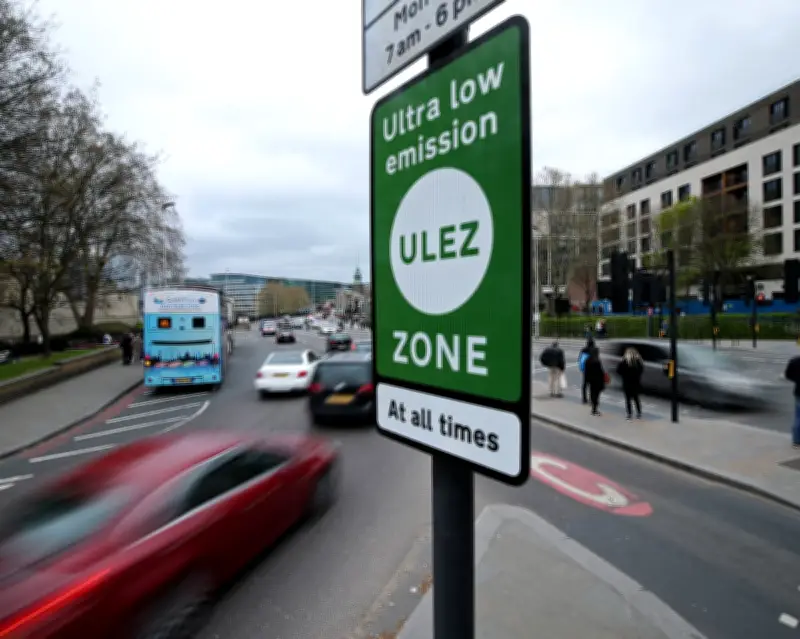
The study attributed the decline to a combination of policies, including the expansion of the Ultra Low Emission Zone (ULEZ), the introduction of low-emission bus zones, and the shift away from coal in home heating. However, the authors cautioned that air pollution remains a major public health issue, with thousands of deaths still occurring each year.
Dr. Heather Walton, senior author of the study from Imperial's School of Public Health, said: "Our findings show that policies to reduce air pollution are working, but there is still a long way to go. The reductions in deaths are encouraging, but the fact that nearly 3,000 people are still dying prematurely each year due to air pollution is unacceptable."

Disparities Across London Boroughs
The study also revealed significant inequalities in exposure and health impacts across London's boroughs. The highest rates of pollution-attributable deaths were found in inner-city areas such as Westminster, Kensington and Chelsea, and the City of London, where traffic congestion is highest. In contrast, outer boroughs like Bromley and Havering had lower rates.
Dr. James Smith, a co-author of the study, noted: "The variation between boroughs highlights the need for targeted interventions in the most polluted areas. While overall trends are positive, we must ensure that the benefits of cleaner air are felt by all Londoners, not just those in wealthier or less polluted areas."
Public Health and Economic Impacts
Beyond the immediate health toll, air pollution imposes significant economic costs on the city. The study estimated that the 1,200 fewer deaths in 2020 compared to 2010 translated into approximately £1.5 billion in avoided health costs and lost productivity. However, the authors stressed that these figures likely underestimate the true burden, as they do not account for non-fatal illnesses such as asthma or cardiovascular disease.
London Mayor Sadiq Khan welcomed the findings, stating: "This study confirms that our bold actions to clean up London's air are saving lives. The expansion of ULEZ and investment in public transport and cycling are making a real difference. But we cannot be complacent. We will continue to push for even stricter emissions standards and more green infrastructure."
Future Challenges and Policy Recommendations
Despite the progress, the study warned that meeting World Health Organization (WHO) air quality guidelines remains a distant goal. Current PM2.5 levels in London are still more than double the WHO's recommended annual mean of 5 micrograms per cubic metre. The authors called for further measures, including expanding the ULEZ to the entire Greater London area, accelerating the transition to electric vehicles, and reducing emissions from construction sites and wood-burning stoves.
Professor Frank Kelly, a co-author from Imperial's Environmental Research Group, said: "The decline in deaths is a clear signal that policy interventions work. However, to achieve truly clean air, we need a sustained effort across all sectors. The next decade must see even more ambitious action if we are to protect the health of London's population."
The study's findings come as the UK government faces legal challenges over its air quality plans, with environmental groups arguing that current targets are insufficient. The research provides fresh evidence that targeted policies can yield measurable health benefits, but also underscores the scale of the challenge remaining.