Ireland is experiencing a significant surge in asylum seekers crossing the northern land border, placing strain on the country's asylum system and reigniting debates over border management. The number of people seeking international protection after arriving via Northern Ireland has risen sharply in recent months, according to official figures.
Rising Numbers
Data from the Irish Department of Justice shows that in the first five months of 2026, over 4,000 asylum seekers entered the Republic via the land border with Northern Ireland, a threefold increase compared to the same period last year. This trend has contributed to a record overall number of asylum applications, with the system struggling to keep pace.
Impact on Services
The influx has led to overcrowding in direct provision centers and increased waiting times for processing claims. Local communities near the border have reported strains on housing, healthcare, and education services. In towns like Dundalk and Monaghan, temporary accommodation has been set up to handle the arrivals, but officials warn that resources are stretched thin.

Government Response
The Irish government has announced additional funding of €20 million for the International Protection Office to expedite processing and hire more staff. Minister for Justice Helen McEntee stated that the government is committed to maintaining a fair but firm asylum system, while also working with UK authorities to manage cross-border movements. However, opposition parties have criticized the response as insufficient, calling for a comprehensive strategy to address the root causes of migration and improve integration.
Border Challenges
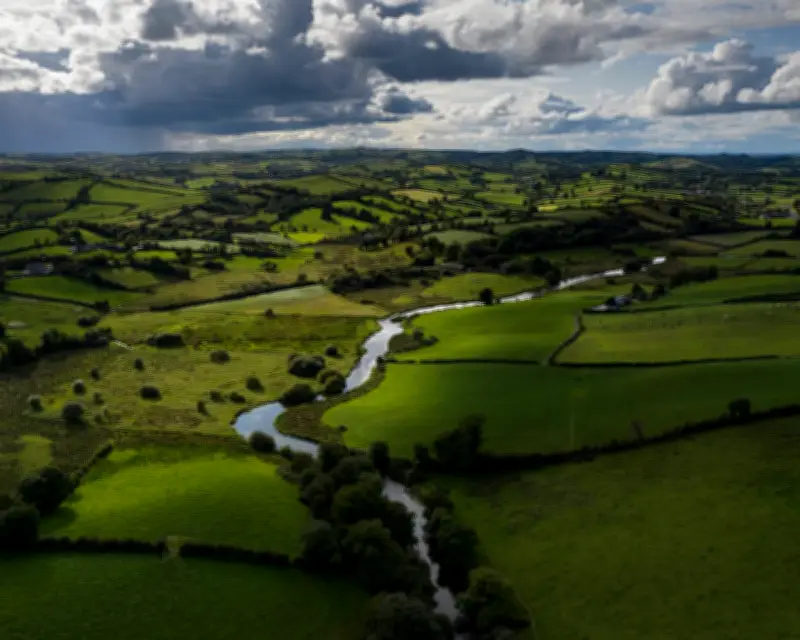
The open border between Northern Ireland (part of the UK) and the Republic of Ireland, a key feature of the Good Friday Agreement, makes it difficult to monitor and control entries. Unlike at airports or ports, there are no routine checks on the land border. This has led to calls for enhanced cooperation between Irish and UK border agencies, though any move toward physical infrastructure remains politically sensitive.
Humanitarian Concerns
Advocacy groups have raised alarms about the welfare of asylum seekers, many of whom arrive after perilous journeys. The Irish Refugee Council highlighted cases of families with children sleeping in inadequate conditions. They urge the government to ensure that all arrivals have access to proper shelter, legal advice, and healthcare. Meanwhile, some local residents have expressed concerns about the speed of change, prompting community meetings to address tensions.
EU Dimension
The surge also has implications for Ireland's position within the European Union. As the only English-speaking EU member sharing a land border with the UK, Ireland is an attractive destination for asylum seekers who might otherwise apply in other member states. Dublin is in talks with the European Commission about potential support, including relocation schemes and funding for border management.
Looking ahead, the government plans to introduce legislation to streamline asylum procedures and expand detention capacity for those whose claims are rejected. However, balancing humanitarian obligations with public concerns over immigration remains a delicate challenge.