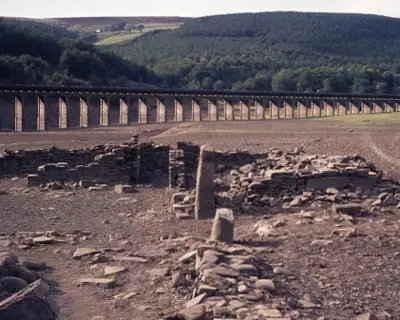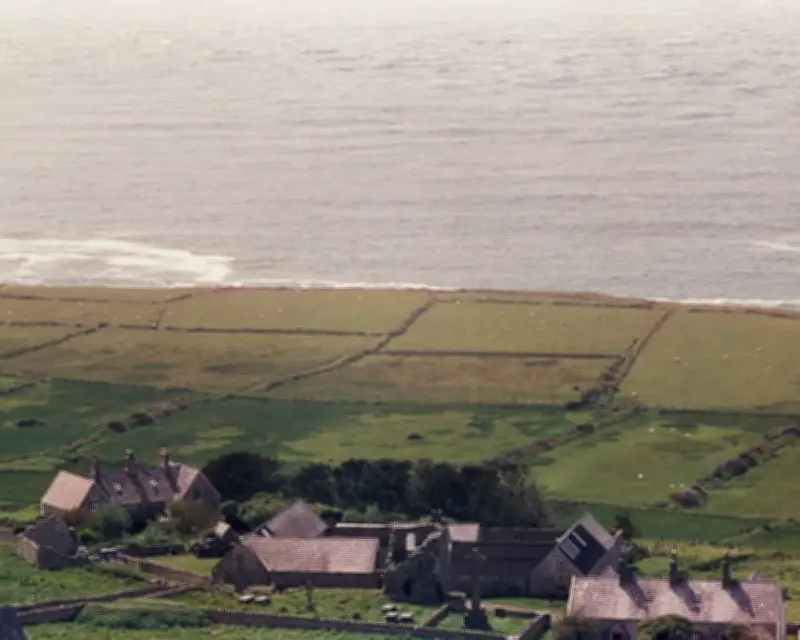
The field names of Britain are more than just labels on a map; they are a living history book, preserving centuries of stories about the land and its people. From medieval farming practices to long-forgotten events, these names offer a unique window into the past.
What Field Names Reveal
According to local historian Dr. Emily Carter, “Field names are like time capsules. They tell us about the crops that were grown, the tools used, and even the people who worked the land.” For example, names like “Barley Close” or “Wheat Field” indicate historical crop choices, while “Ploughman’s Patch” hints at traditional farming methods.
Historical Events Preserved
Some field names commemorate historical events. “Battle Field” in Sussex is believed to mark the site of a skirmish during the English Civil War, while “Plague Pit Field” in Derbyshire recalls a mass grave from the Black Death. These names serve as reminders of the hardships faced by previous generations.

Threats to Field Names
However, these historical records are under threat. Modern agricultural practices and urban development have led to the loss of many field names. According to a 2020 study by the University of Nottingham, over 60% of historic field names in the East Midlands have disappeared in the past century. “Once a field name is lost, the history it holds is gone forever,” warns Dr. Carter.
Preserving the Legacy
Efforts are underway to document and preserve these names. Local history groups and organizations like the Field Names Project are working to record field names before they vanish. “We need to act now to save this unique part of our heritage,” says project coordinator Mark Thompson. “Each name is a piece of the puzzle that helps us understand our past.”