The European Union’s recent decision to open formal talks with the Taliban represents a dangerous abandonment of the rights of Afghan women and girls, according to a Guardian editorial. The talks, which began in Doha in May 2026, aim to discuss migration, trade, and security, but critics argue they effectively legitimize a regime that has imposed one of the world’s most brutal systems of gender apartheid.
Taliban's Record on Women's Rights
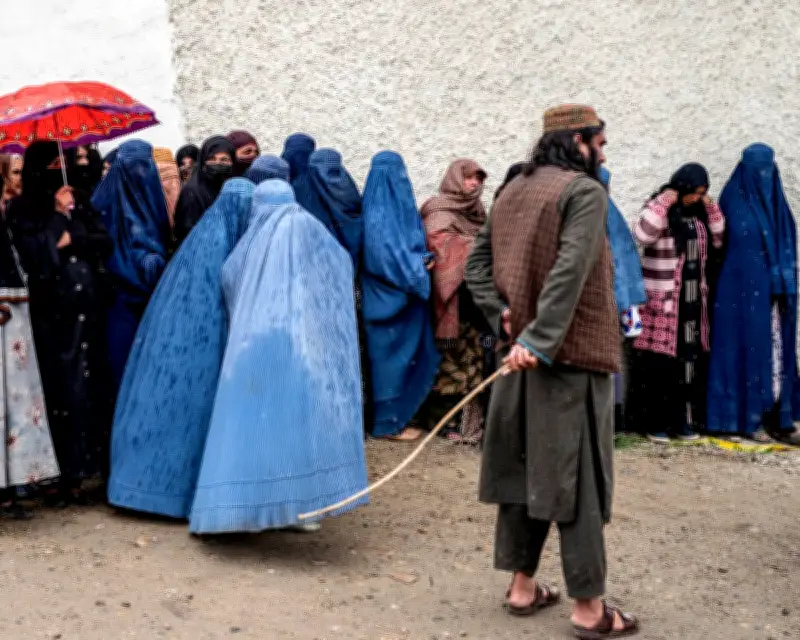
Since seizing power in August 2021, the Taliban have systematically dismantled women's rights. Girls are banned from secondary education, women are barred from most jobs, and they cannot travel without a male guardian. Public spaces like parks and gyms are segregated or closed to women. According to a UN report from March 2026, the number of women in public sector employment has fallen by 90% since 2021. The Taliban have also reinstated public floggings and executions, with women disproportionately targeted.
EU's Pragmatic Approach
The EU insists that engagement is necessary to address practical concerns, including the return of Afghan migrants and the threat of terrorism. A European Commission spokesperson stated, “We cannot ignore the reality that the Taliban are the de facto government. Dialogue is the only way to protect our interests and potentially influence their behavior.” However, the Guardian argues that this logic is flawed, as the Taliban have shown no willingness to compromise on fundamental rights. The editorial notes that the EU’s approach mirrors the failed policy of “constructive engagement” with the Taliban in the 1990s, which ultimately achieved nothing.

Human Rights Groups Condemn Talks
Human Rights Watch has condemned the talks, calling them a “betrayal of Afghan women and girls.” In a statement, the organization said, “The EU is rewarding the Taliban for their crimes. This sends a message that women’s rights are negotiable.” Amnesty International echoed this, pointing out that the Taliban have not met any of the conditions the international community set in 2021, including forming an inclusive government and respecting human rights.
Impact on Afghan Women
For Afghan women, the EU’s decision is devastating. “We feel abandoned by the world,” said Zarifa Ghafari, a former mayor and women’s rights activist now in exile. “The Taliban see this as a victory. They will only become more emboldened.” The Guardian editorial warns that normalizing ties with the Taliban will entrench gender apartheid and undermine the efforts of Afghan women who continue to resist, often at great personal risk.
Broader Implications
The talks also set a dangerous precedent for other conflicts where human rights are abused. The Guardian argues that the international community must prioritize principles over pragmatism. “The EU should be imposing sanctions, not offering diplomatic recognition,” the editorial states. It calls for increased support for Afghan civil society and safe passage for those fleeing the regime.
Conclusion
The Guardian view is clear: the EU-Taliban talks are a moral failure that sells out the rights of Afghan women and girls. Without concrete conditions tied to human rights improvements, engagement only legitimizes oppression. The editorial urges the EU to reverse course and reaffirm its commitment to universal rights.