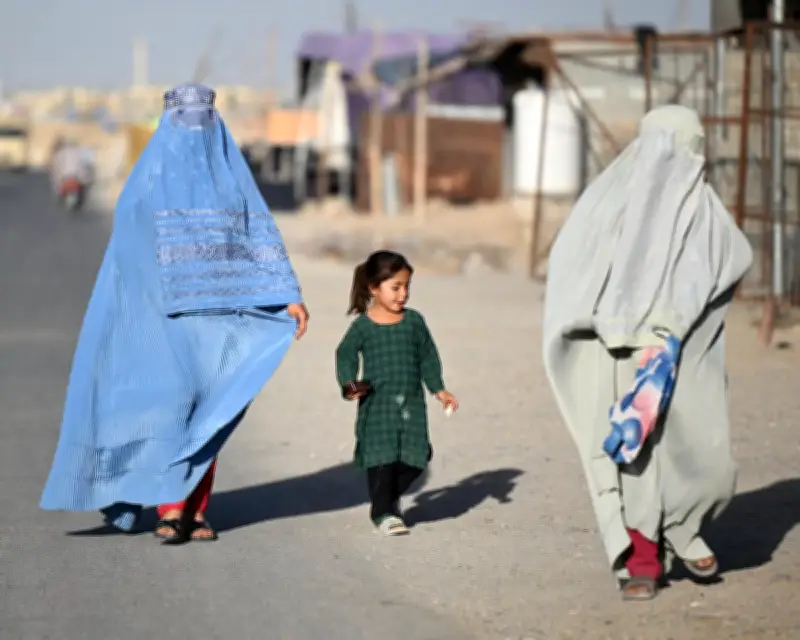
The European Union is facing intense criticism over its plans to host Taliban representatives in Brussels for a series of diplomatic talks, with human rights groups and some member states arguing that the engagement legitimises the Islamist regime. The proposed meetings, scheduled for later this year, aim to discuss humanitarian aid access and security concerns, but have sparked a fierce debate about the EU's approach to the Taliban since they seized power in Afghanistan in August 2021.
EU Defends Engagement as Pragmatic
EU foreign policy chief Josep Borrell defended the initiative, stating that "engagement does not mean recognition" and that the talks are necessary to address pressing issues such as the humanitarian crisis and counter-terrorism. "We cannot simply ignore the reality that the Taliban are the de facto authorities in Afghanistan," Borrell said in a statement. "Our goal is to ensure that humanitarian aid reaches those in need and to press for the protection of human rights, especially for women and girls."
However, the EU's stance has been met with sharp criticism from various quarters. Human Rights Watch condemned the move, calling it "a dangerous signal" that the Taliban can gain international legitimacy without making meaningful concessions on human rights. "The EU should not be rewarding the Taliban with a platform in Brussels while they continue to oppress women, suppress dissent, and commit atrocities," said a spokesperson for the organisation.

Member States Divided
Within the EU, member states are divided. Some, like France and Germany, have expressed cautious support for the talks, arguing that dialogue is essential to prevent a complete collapse of Afghanistan and to address security threats. Others, including the Netherlands and Sweden, have voiced strong opposition, insisting that the EU should not engage with the Taliban until they demonstrate a clear commitment to human rights and inclusive governance.
The controversy comes as the humanitarian situation in Afghanistan worsens, with the United Nations reporting that over 28 million people—more than two-thirds of the population—require urgent assistance. The EU has allocated €150 million in humanitarian aid for Afghanistan in 2026, but aid agencies say access remains a major challenge.
According to a leaked EU diplomatic memo, the proposed talks would focus on three main areas: humanitarian access, security cooperation to prevent Afghanistan from becoming a haven for terrorist groups, and the protection of minority rights. The memo also notes that the EU would insist on the Taliban allowing girls' education beyond primary level, a key demand that the Taliban have so far resisted.
Taliban Welcomes EU Initiative
The Taliban have welcomed the EU's willingness to engage, with their spokesperson Zabihullah Mujahid stating that "the Islamic Emirate is ready to hold talks with European countries on mutual interests." However, he reiterated that the Taliban would not compromise on what they consider Islamic principles, including restrictions on women's rights.
Critics argue that the EU's approach risks undermining the efforts of Afghan civil society and women's rights activists who have been pushing for a more hardline stance against the Taliban. "The EU is sending a message that the Taliban can come to Brussels and be treated as a legitimate government without any real change in their behaviour," said a representative of the Afghan Women's Network.
The EU has stressed that the talks do not imply recognition of the Taliban as the legitimate government of Afghanistan, and that any engagement would be conditional on progress on human rights. However, with no sign of the Taliban softening their stance, the planned meetings are likely to remain a source of contention within the EU and beyond.