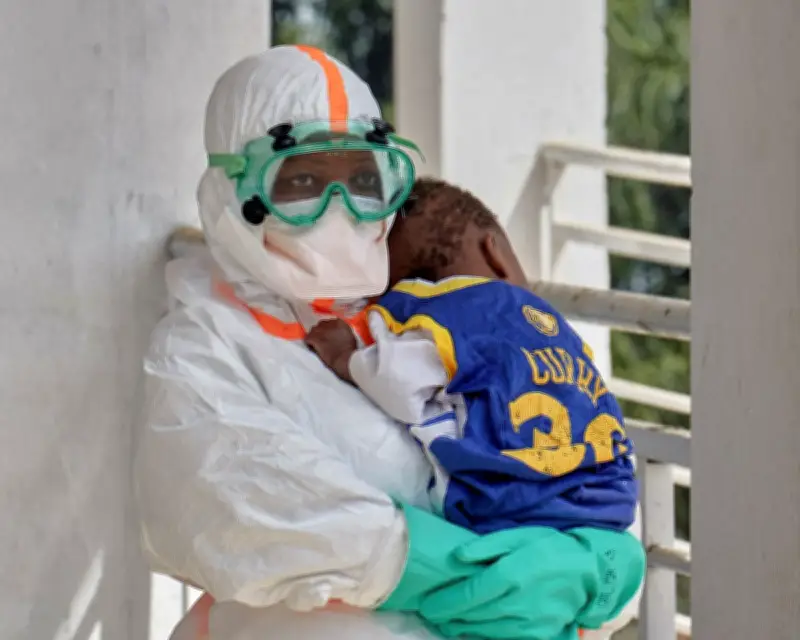
The Democratic Republic of the Congo (DRC) is facing its most deadly Ebola outbreak on record, with the number of fatalities surpassing all previous epidemics in the country. According to health officials, the current outbreak has claimed over 1,400 lives, making it the worst Ebola outbreak in DRC history.
Escalating Crisis
The outbreak, which began in August 2018, has been particularly challenging to contain due to a combination of factors, including armed conflict, community mistrust, and limited healthcare infrastructure. The World Health Organization (WHO) has declared the situation a Public Health Emergency of International Concern, urging global support to curb the spread of the virus.
Response Efforts
International health organizations, including the WHO and Doctors Without Borders, are working alongside DRC health authorities to provide medical care and vaccination campaigns. However, the ongoing violence in affected regions has hampered access to patients and hindered containment measures.

Health workers have faced attacks, and some communities have resisted intervention, fueling the spread of the disease. The use of experimental vaccines and treatments has shown promise, but logistical challenges remain significant.
Regional Impact
The outbreak has primarily affected the North Kivu and Ituri provinces, with cases also reported in neighboring countries. The DRC government has implemented screening measures at borders and is working to strengthen surveillance systems.
Experts warn that without a coordinated international response, the outbreak could continue to escalate. The WHO has called for increased funding and resources to support the DRC's health system and ensure a swift end to the epidemic.