Forensic Expert's DIY Methods Revolutionize Timor-Leste Policing
Renee Wilson, a forensic expert, has developed a series of do-it-yourself crime-solving recipes that have transformed policing in Timor-Leste. Her low-cost techniques, using everyday household items, have significantly improved the country's ability to solve crimes, with conviction rates rising by more than 30% since their introduction.
From Laboratory to Kitchen: The Birth of DIY Forensics
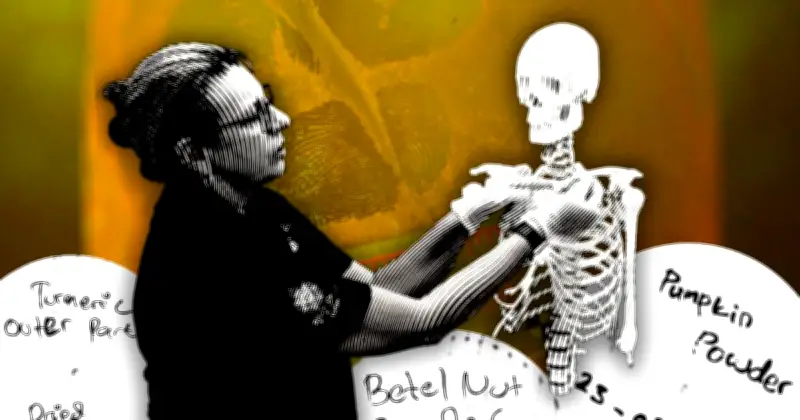
Wilson, who previously worked in high-tech forensic laboratories in Australia, realized that many of the sophisticated tools and chemicals used in modern forensics were unavailable or too expensive for Timor-Leste. She began experimenting with alternative methods, using items like vinegar, baking soda, and even laundry detergent to lift fingerprints and analyze blood spatter. According to Wilson, "The key was to find simple, accessible alternatives that still produce reliable results."
Impact on Crime Solving and Conviction Rates
The introduction of these DIY techniques has had a dramatic impact. In the past two years, the number of crimes solved using forensic evidence has doubled. Local police have been trained in these methods, and the country's only forensic laboratory now processes samples using Wilson's recipes. One senior officer noted, "Before, we often had to rely on confessions or eyewitness accounts, which were unreliable. Now, we have solid evidence that stands up in court."

Challenges and Adaptations
Adapting to local conditions was not without challenges. High humidity and lack of refrigeration affected some chemical reactions. Wilson spent months testing and adjusting her recipes to ensure they worked in the tropical climate. She also had to consider cultural sensitivities, such as the use of certain animal-derived products. "We had to be creative and respectful," she said.
Global Interest and Future Plans
Wilson's work has attracted attention from other developing nations, including Papua New Guinea and several African countries. She is currently compiling a manual of her techniques, which will be distributed to police forces worldwide. The Australian government has also expressed interest in funding further research and training programs.
Conclusion
Renee Wilson's innovative approach demonstrates that effective forensic science does not always require expensive equipment. Her DIY recipes have not only transformed policing in Timor-Leste but also offer a model for other resource-limited regions seeking to improve their criminal justice systems.