At least 14 people have been killed in Côte d'Ivoire after days of torrential rains triggered severe flooding across the West African nation, particularly in the economic capital Abidjan. The country's civil protection agency confirmed the death toll on Thursday, as rescue teams continued to search for missing persons in the hardest-hit areas.
Flooding Wreaks Havoc in Abidjan
The worst of the flooding occurred in Abidjan, where entire neighborhoods were submerged under muddy water. The city's drainage systems, already overwhelmed by rapid urbanization, failed to cope with the deluge. Streets turned into rivers, sweeping away vehicles and debris. Residents were forced to flee their homes, many seeking refuge on rooftops or higher ground. The civil protection agency reported that among the dead were several children, and many families have been displaced.
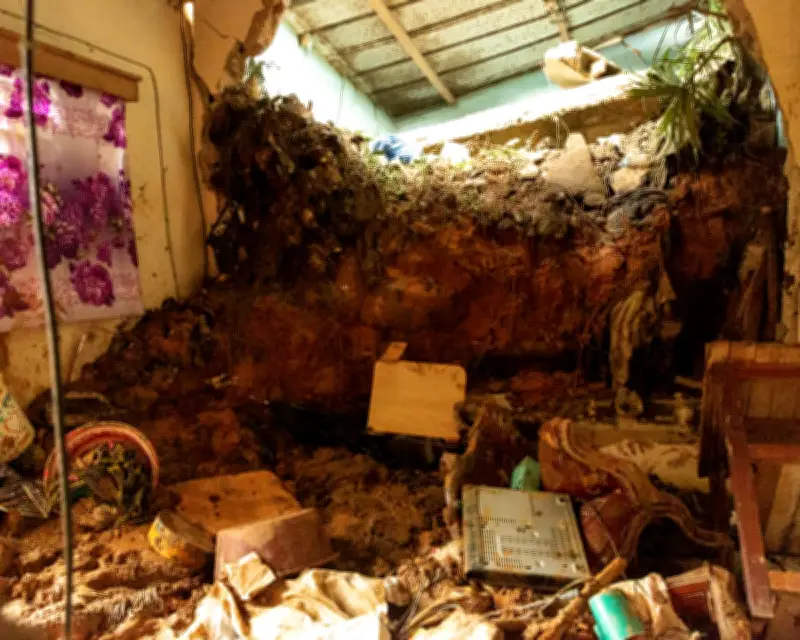
In the commune of Cocody, a wealthy district, landslides compounded the damage, destroying several houses. The government has deployed emergency services, including military units, to assist with rescue and relief operations. A temporary shelter has been set up at a local stadium for those who lost their homes.

Regional Impact
The heavy rains have not been confined to Côte d'Ivoire. Across West Africa, seasonal rains have caused widespread flooding in recent weeks. In neighboring Ghana, at least 10 people have died, and thousands have been displaced. In Nigeria, flooding has affected several states, with authorities warning of potential outbreaks of waterborne diseases. The region's rainy season typically runs from May to October, but climate experts say this year's rains have been particularly intense, possibly linked to climate change.
According to the World Meteorological Organization, West Africa has experienced above-average rainfall this year, with some areas receiving more than double the usual amount for June. The situation has been exacerbated by poor urban planning and inadequate infrastructure in many cities.
Government Response and Warnings
Côte d'Ivoire's Prime Minister Patrick Achi visited the affected areas on Wednesday, promising swift government assistance. "We are doing everything to help the victims and prevent further tragedies," he said in a statement. The government has allocated emergency funds for relief efforts and has urged residents in low-lying areas to evacuate.
Meteorological services have issued warnings of more heavy rain in the coming days, raising fears of further flooding and landslides. The civil protection agency has advised people to avoid crossing flooded roads and to stay indoors if possible. Schools in the worst-affected areas have been closed until further notice.
Long-Term Challenges
The flooding highlights the vulnerability of West African cities to extreme weather events. Rapid urbanization has led to the construction of homes in flood-prone areas, often without proper drainage. Environmentalists have called for better urban planning and investment in climate-resilient infrastructure. The United Nations Office for the Coordination of Humanitarian Affairs has expressed concern about the impact of the floods on already vulnerable communities, noting that the region is also facing food insecurity and economic challenges.
As Côte d'Ivoire mourns the loss of lives, the focus remains on rescue and recovery. The full extent of the damage is still being assessed, but it is clear that the floods have dealt a severe blow to many families and communities already struggling with poverty.