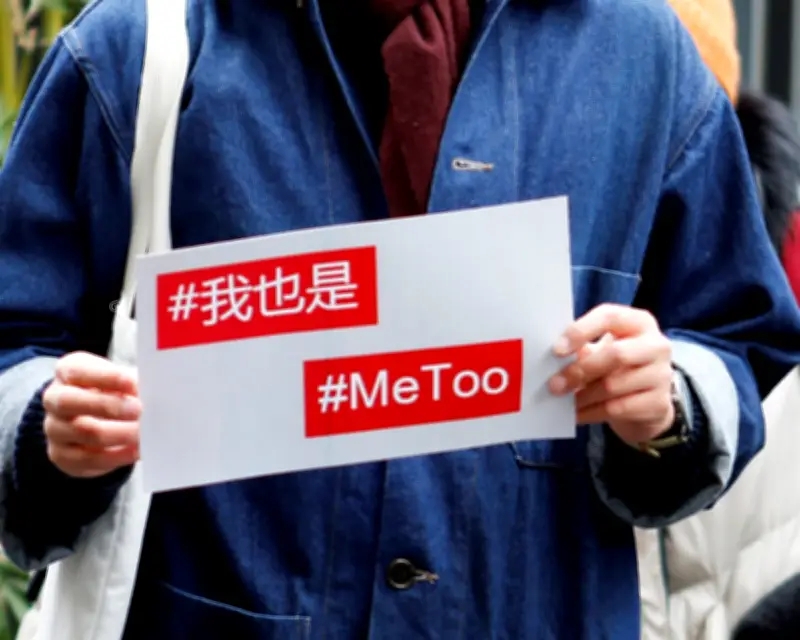
A Chinese woman has secured a historic victory in a sexual harassment lawsuit in Beijing, marking a significant milestone for the #MeToo movement in China. The Beijing court ruled in favor of the plaintiff, identified only by her surname Zhou, ordering the defendant, a former colleague, to pay 20,000 yuan (approximately $2,800) in compensation for emotional distress and to issue a formal apology.
Case Details
The lawsuit was filed in 2024 after Zhou alleged that her male colleague had subjected her to repeated unwanted advances and inappropriate comments over a period of several months. The harassment, she claimed, created a hostile work environment that forced her to resign from her job in 2023. The court found that the defendant's actions constituted sexual harassment under Chinese law, which prohibits such behavior in the workplace.
Legal Significance
This case is being hailed as a landmark for China's #MeToo movement, which has struggled to gain legal traction in a country where workplace harassment is often underreported and rarely leads to convictions. According to legal experts, the ruling sets an important precedent by affirming that sexual harassment claims can be successfully litigated in Chinese courts. "This verdict sends a clear message that victims have legal recourse," said Li Yuhui, a Beijing-based lawyer specializing in gender discrimination cases.

Impact on #MeToo in China
The #MeToo movement in China gained momentum in 2018 following allegations of sexual assault against a prominent university professor. However, subsequent cases have faced obstacles, including social stigma, lack of legal clarity, and fear of retaliation. Zhou's victory is expected to encourage more victims to come forward. "I hope my case can give courage to other women who have suffered in silence," Zhou told reporters after the verdict.
Reactions
Women's rights groups have praised the ruling as a step forward, though they note that systemic challenges remain. The defendant has not indicated whether he will appeal. The case has also sparked discussions on Chinese social media, with many users expressing support for Zhou and calling for stronger protections against workplace harassment.