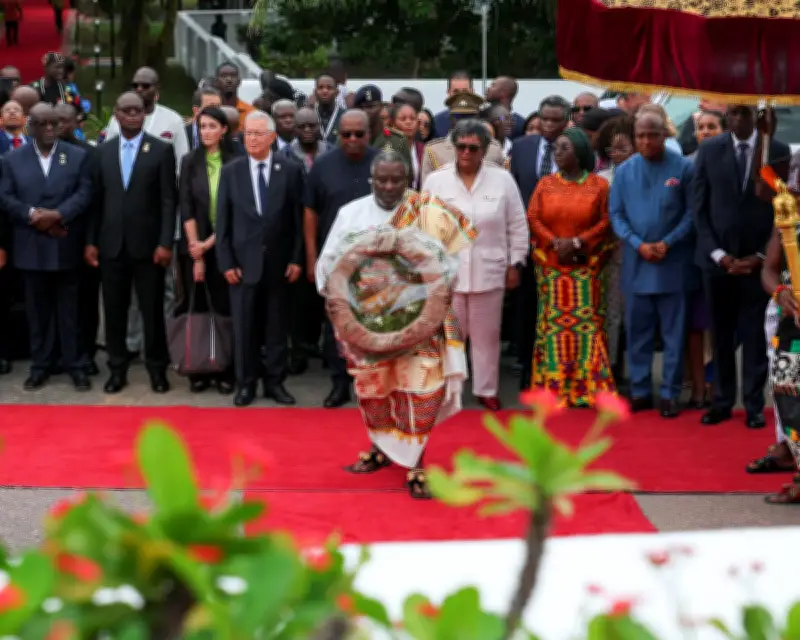
Caribbean Nations Unite for Reparations
Caribbean nations have issued a unified reparations manifesto demanding trillions of dollars in compensation for the transatlantic slave trade and centuries of colonial exploitation. The document, presented by the Caribbean Community (CARICOM), outlines a comprehensive set of demands aimed at addressing historical injustices.
Key Demands in the Manifesto
The manifesto calls for a formal apology from European governments, debt cancellation, and the establishment of a repatriation program for descendants of enslaved people. It also demands investment in education, healthcare, and cultural institutions to repair the ongoing effects of slavery.
Reparations Amount and Funding
According to CARICOM, the total reparations bill could exceed $7.5 trillion. The funds would be used to finance development projects, public health initiatives, and educational reforms across the region. The group proposes that European nations contribute through a combination of direct payments, debt relief, and increased development aid.

Historical Context and Legal Basis
The reparations movement gained momentum after the 2001 UN World Conference Against Racism in Durban, South Africa. CARICOM established a Reparations Commission in 2013 to build a legal and moral case for compensation. The manifesto draws on precedents such as Germany's reparations for the Holocaust and the US government's payments to Japanese American internees.
European Response and Next Steps
European governments have shown mixed reactions. The UK, France, and the Netherlands have acknowledged the moral arguments but stopped short of committing to financial reparations. CARICOM plans to present the manifesto to the United Nations and the International Court of Justice to press for action.
Impact on Caribbean Development
Proponents argue that reparations could transform Caribbean economies, reducing poverty and inequality. The region still grapples with the legacy of slavery, including racial discrimination and underdevelopment. Critics, however, question the feasibility of quantifying historical wrongs and the practicality of enforcement.
Quote from CARICOM Chairman
“This manifesto is not about guilt but about justice and healing,” said CARICOM Chairman and Prime Minister of Saint Vincent and the Grenadines, Ralph Gonsalves. “We seek to initiate a dialogue that leads to meaningful reparatory justice for our people.”
Conclusion
The Caribbean reparations manifesto represents a coordinated effort to hold former colonial powers accountable. While the path to compensation remains uncertain, the document has reinvigorated global debates on historical injustice and its lasting impact.