Engineers worldwide are competing to develop robotic hands that match human dexterity, a breakthrough that could transform prosthetics and manufacturing. The race has intensified as new materials and AI algorithms enable more lifelike movement.
Engineering Challenge
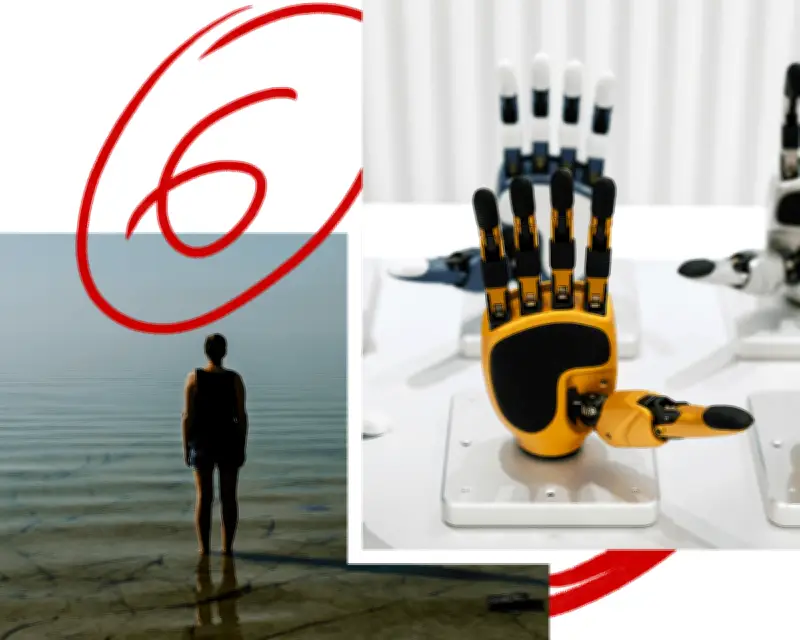
Robotic hands have long been a holy grail for robotics. Unlike simple grippers, human hands have 27 degrees of freedom, requiring complex sensors and actuators. Recent advances in soft robotics and machine learning have brought researchers closer to replicating this complexity.
According to Dr. Hiroshi Yamada of the University of Tokyo, "The key is combining tactile feedback with precise motor control. We are now testing a hand that can tie a shoelace." His team's prototype uses artificial muscles and 130 touch sensors, allowing it to handle fragile objects like eggs.

Memory of Legendary Gigs
Meanwhile, neuroscientists have found that recalling memories of live concerts can stimulate brain regions associated with emotion and memory. A study by the University of Sydney found that participants who listened to recordings of gigs they attended showed increased activity in the hippocampus and prefrontal cortex.
"Music memories are particularly vivid because they involve multiple senses," said Dr. Emily Chen, lead author of the study. "This could be used in therapy for dementia patients." The research involved 50 volunteers who attended major concerts in the past decade.
The Sea as Medicine for the Brain
Separately, a growing body of evidence suggests that spending time by the sea improves mental health. A 2025 meta-analysis of 30 studies found that coastal walks reduce symptoms of anxiety and depression by up to 40%. The effect is attributed to negative ions in sea air, rhythmic sound of waves, and expansive views.
"We are seeing that 'blue space' has a measurable impact on brain function," said Professor James Miller of the University of Melbourne. His ongoing trial involves MRI scans of participants before and after a 20-minute beach walk. Preliminary results show reduced cortisol levels and increased alpha wave activity.
Implications for Health and Technology
These findings could lead to new non-pharmacological treatments for mental health conditions. Similarly, advances in robotic hands promise to restore function for amputees and improve automation in industries like surgery and logistics.
"The next decade will see robotic hands become as common as smartphones," predicted Dr. Yamada. "But we must ensure they are affordable and accessible."