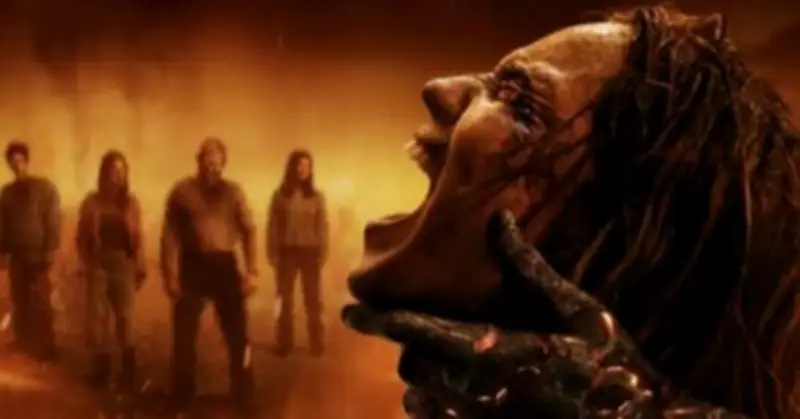
In an era before the internet, when aspiring filmmakers couldn't simply upload content to YouTube for discovery, writer-director Sam Raimi and his actor friend Bruce Campbell took a different path. They created a short concept film and, through begging, borrowing, and scraping together every available resource, managed to produce The Evil Dead (1981). This bloody, darkly humorous tale of demonic possession and the monsters known as Deadites achieved enough success to spawn higher-budgeted sequels, a television series, and propel Raimi into the mainstream film industry.
The Making of a Cult Classic
Raimi and Campbell's journey began with a short film that showcased their vision for a horror-comedy hybrid. Lacking the financial backing of major studios, they relied on a shoestring budget, often using creative camera techniques and practical effects to achieve their desired scares. The film's production was marked by grueling conditions, including filming in a remote Tennessee cabin, but the result was a visceral experience that resonated with audiences.
Impact and Legacy
Upon its release, The Evil Dead became a cult hit, praised for its innovative cinematography and blend of horror and humor. According to film historians, the movie grossed over $2 million domestically against a budget of roughly $375,000, a remarkable return that paved the way for sequels like Evil Dead II (1987) and Army of Darkness (1992). The franchise later expanded into a TV series, Ash vs Evil Dead, and cemented Raimi's reputation as a visionary director, leading to blockbuster projects like Spider-Man.

A Pre-Internet Success Story
Raimi and Campbell's achievement underscores a time when word-of-mouth and film festival screenings were essential for indie filmmakers. Without digital platforms, they relied on grassroots marketing and the film's raw appeal to build an audience. As Raimi once noted, "We made the movie for the love of it, not knowing if anyone would see it." Their perseverance paid off, creating a lasting legacy in horror cinema.