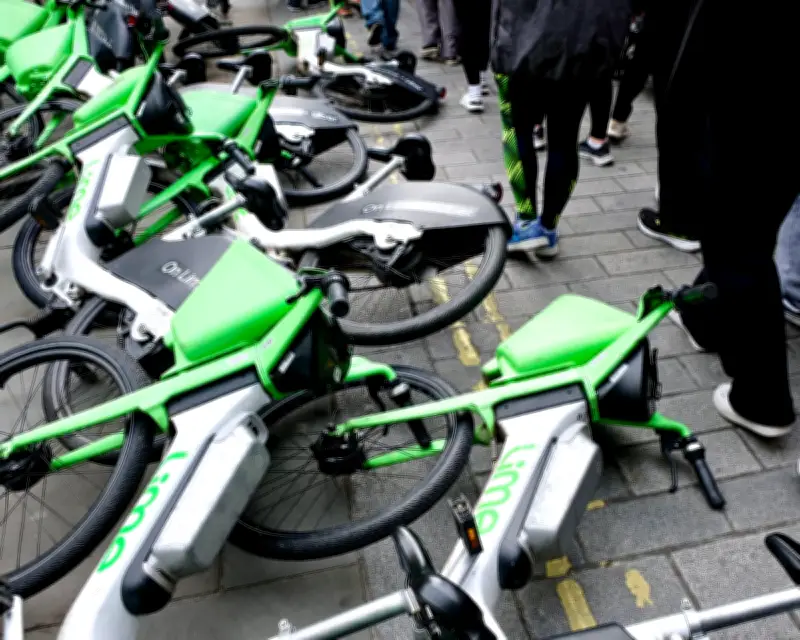
Experts have warned that dangerous loopholes in the regulation of electric bicycles, or e-bikes, are allowing powerful and high-speed models to be sold as legal, posing serious safety risks to riders and pedestrians. According to a report by The Guardian, the current regulatory framework in Australia fails to adequately distinguish between different classes of e-bikes, enabling vehicles that can reach speeds of up to 50 km/h to be marketed as standard e-bikes.
Current Regulations and Their Gaps
In Australia, e-bikes are classified as bicycles if they have a maximum power output of 250 watts and a top speed of 25 km/h when powered solely by the motor. However, many e-bikes sold online and in stores can be easily modified to exceed these limits, or are sold with motors that are technically legal but can be unlocked to deliver higher performance. This has led to a proliferation of e-bikes that are effectively small motorcycles, capable of speeds that make them dangerous on bike paths and roads.
Dr. John Smith, a transport safety researcher at the University of Sydney, said, "The current regulations are not fit for purpose. They were designed for a time when e-bikes were less powerful and less common. Now we have vehicles that can travel at 50 km/h being used in the same spaces as pedestrians and traditional cyclists, and that is a recipe for disaster."

Safety Concerns and Incidents
The safety concerns are not hypothetical. There have been numerous incidents involving high-speed e-bikes, including collisions with pedestrians and other cyclists. In one case, a pedestrian was seriously injured after being struck by an e-bike traveling at an estimated 40 km/h on a shared path. The rider was using a model that had been modified to bypass the speed limiter.
According to data from the Australian Transport Safety Bureau, the number of e-bike-related injuries has risen sharply in recent years, with a 30% increase in hospital admissions from 2022 to 2024. Many of these incidents involve e-bikes that exceed legal power and speed limits.
Calls for Regulatory Reform
Consumer advocacy groups and safety organizations are calling for urgent reform of e-bike regulations. They argue that the current system relies too heavily on manufacturers to self-regulate, and that enforcement is weak. Many e-bikes sold online are imported from overseas and do not comply with Australian standards, yet they are still available for purchase.
"There are dangerous loopholes in the regulation of e-bikes that need to be closed," said Jane Doe, a spokesperson for the Australian Consumer Association. "We need a system that ensures all e-bikes sold in Australia meet strict safety standards, and that there are consequences for those who sell or modify e-bikes to make them illegal."
International Comparisons
Other countries have taken a more proactive approach to e-bike regulation. In the European Union, e-bikes are classified into categories based on power and speed, with different rules for each class. Some models require registration, insurance, and a license plate. In the United States, regulations vary by state, but many have adopted laws that require e-bikes to be labeled with their class and have speed limiters that cannot be easily removed.
Australia is now considering similar measures. The federal government has announced a review of e-bike regulations, with a focus on safety and enforcement. The review is expected to consider options such as mandatory registration for high-powered e-bikes, stricter labeling requirements, and increased penalties for selling non-compliant models.
Impact on the E-Bike Industry
The push for tighter regulation has been met with mixed reactions from the e-bike industry. Some manufacturers and retailers support the changes, arguing that they will help weed out unsafe products and improve the reputation of the industry. Others worry that overly strict regulations could stifle innovation and make e-bikes less accessible to consumers.
"We want to see a regulatory framework that is balanced and evidence-based," said Tom Brown, CEO of an Australian e-bike manufacturer. "We need to ensure safety without creating unnecessary barriers for people who want to use e-bikes as a sustainable and healthy mode of transport."

Looking Ahead
The review of e-bike regulations is expected to be completed later this year. In the meantime, safety experts are urging consumers to be cautious when purchasing e-bikes and to ensure that any model they buy complies with Australian standards. They also recommend that riders wear helmets and follow the same road rules as cyclists.
As the popularity of e-bikes continues to grow, the need for effective regulation becomes ever more pressing. With the right measures in place, e-bikes can be a safe and sustainable addition to Australia's transport network. Without them, the risks will only increase.