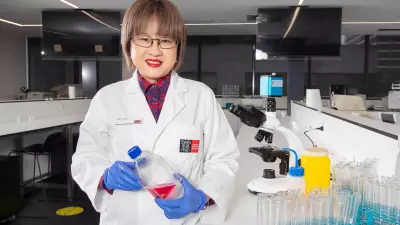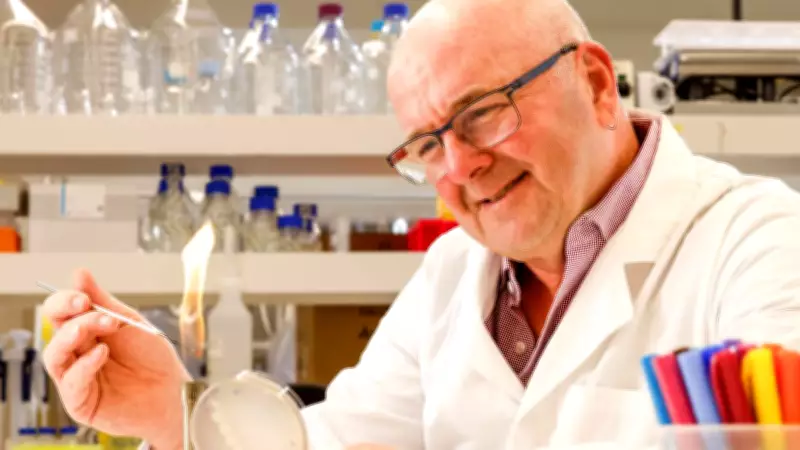
Scientists are harnessing artificial intelligence to design viruses that can hunt down and destroy superbugs, offering a potential new weapon against the global crisis of antibiotic resistance. Professor Rob Edwards, a global leader in microbial genomics at Flinders University, has sequenced samples from nearly one in five South Australian cystic fibrosis patients as part of this groundbreaking work.
The Rise of Antibiotic Resistance
Over the past 10 to 20 years, antibiotic-resistant bacteria have emerged as a major threat. Infections that were once easily treated with antibiotics are becoming increasingly difficult to manage. Professor Edwards explains that bacteria are evolving resistance faster than new drugs can be developed, prompting researchers to revisit an old idea: using bacteriophages, or phages, to treat bacterial infections.
Phages are viruses that specifically infect and replicate within bacteria, ultimately destroying them. They are among the smallest biological entities known, but they hold immense potential for teaching us about biology, health, and the environment.

Artificial Intelligence in Phage Research
Professor Edwards and his team are using AI to accelerate phage research. AI has transformed how they analyse data, write software, and generate new ideas. By training AI models to answer specific questions, they can design phages that are more effective at targeting harmful bacteria.
“It’s absolutely phenomenal what’s happened in the last few years,” Professor Edwards says. “The speed with which AI is changing our understanding of biology is huge.”
Applications in Cystic Fibrosis
One of the most promising applications is in treating chronic respiratory diseases like cystic fibrosis. Professor Edwards has been working with clinicians at the Women’s and Children’s Hospital in Adelaide to sequence DNA from cystic fibrosis patients. This helps identify the bacteria and viruses present, allowing AI to predict which phages might be most effective.
Cystic fibrosis patients are often exposed to high levels of antibiotics, putting them at significant risk of developing antibiotic-resistant infections. Phage therapy could offer a targeted alternative.
Future Possibilities
Over the next decade, Professor Edwards believes the fusion of synthetic biology and digital technologies will unlock new possibilities. “Synthetic biology combined with these amazing digital tools is going to open a whole new world of drugs, chemicals, and pharmaceuticals,” he says.
From the smallest organisms on Earth may come some of the biggest breakthroughs. Professor Edwards’ research shows that when it comes to microbes, little things can grow into something transformative.