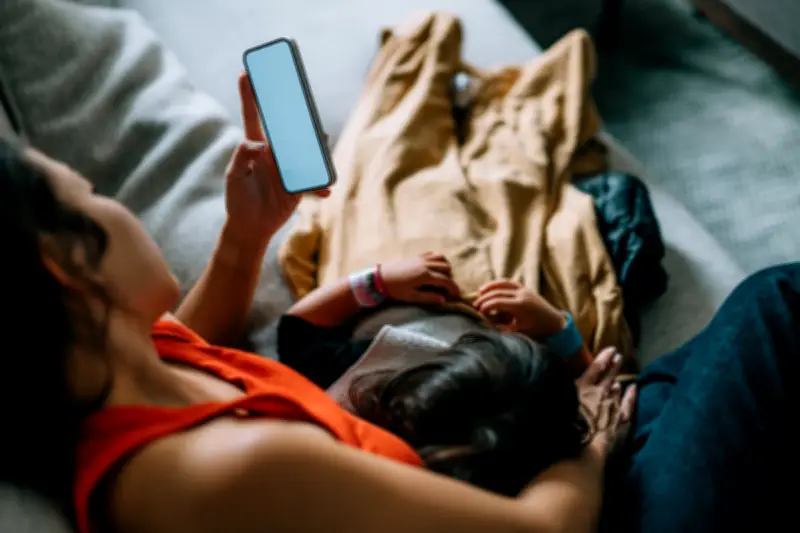
A new study has found that parents who are anxious about their own smartphone usage are more likely to impose strict screen time limits on their children, potentially shaping kids' relationship with technology in unintended ways.
Study Details and Key Findings
Researchers from the University of Michigan surveyed 1,200 parents of children aged 5 to 11. The study, published in the Journal of Child Psychology, revealed that 68% of parents reported feeling guilty about their own screen time, and this guilt correlated with stricter rules for their children. According to lead author Dr. Sarah Johnson, "Parents who are worried about their own phone habits often project that anxiety onto their kids, leading to more restrictive screen policies."
Impact on Children's Digital Literacy
The research indicates that children with highly restrictive screen time may miss out on opportunities to develop digital literacy skills. Only 22% of parents in the study felt confident in teaching their children healthy screen habits. Dr. Johnson added, "Children need guided exposure to technology to learn self-regulation. Overly strict rules can backfire, making screens more appealing."

Parental Anxiety and Family Conflict
The study also found that 45% of families experienced weekly arguments over screen time. Parents who reported high levels of phone-related anxiety were three times more likely to have conflicts with their children about device use. The researchers suggest that parents model healthy screen behavior rather than impose rigid limits.
Recommendations for Families
Experts recommend that parents focus on their own screen habits first. The American Academy of Pediatrics suggests creating a family media plan that includes designated screen-free times and zones. Dr. Johnson emphasized, "The goal isn't to eliminate screens but to use them mindfully. Children learn more from what parents do than what they say."