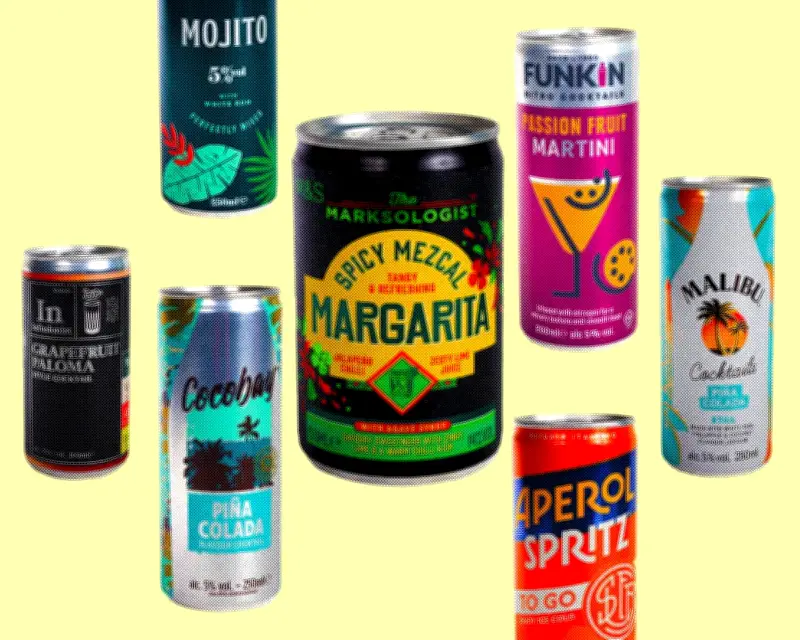
Rise of the Canned Cocktail
Britain has undergone a dramatic shift in drinking habits, with canned cocktails emerging as a dominant force in the alcohol market. Known as the "great tinification," this trend has seen ready-to-drink (RTD) cocktails capture 15% of all off-trade alcohol sales in the UK, according to recent industry data from IWSR Drinks Market Analysis. The category has grown by 40% year-on-year, outpacing beer, wine, and spirits.
Convenience and Quality Drive Growth
Consumers are increasingly drawn to the convenience of canned cocktails, which offer bar-quality drinks without the need for mixers or expertise. Major brands like Diageo, Pernod Ricard, and Bacardi have invested heavily in RTD lines, with products such as Gordon's Premium Pink Gin and Tonic, and Jack Daniel's Tennessee Honey and Cola leading sales. "Canned cocktails have shed their image as cheap, sugary alternatives," said Mark Meek, CEO of IWSR. "They now appeal to a wide demographic, from young professionals to older drinkers seeking premium options."
Shift from Pubs to Home Drinking
The trend is partly fueled by changing social habits post-pandemic, with more people drinking at home. Canned cocktails offer a portable, single-serve option that fits busy lifestyles. Retailers have responded by expanding shelf space, with Tesco and Sainsbury's reporting a 50% increase in RTD sales over the past year. The category is particularly popular among 25- to 40-year-olds, who value both taste and convenience.

Impact on Traditional Alcohol Sales
The surge in canned cocktails has impacted traditional categories. Beer sales in the off-trade have declined by 2%, while wine has seen a 1% dip. Spirits, however, have benefited as RTDs often use premium spirits as bases. The UK now accounts for 30% of global RTD sales, second only to the US. Experts predict the market will continue to grow, with canned cocktails projected to reach 20% of off-trade sales by 2028.
Challenges and Criticisms
Despite the boom, critics raise concerns about packaging waste and alcohol content. Cans are recyclable, but the increase in single-use packaging has environmental implications. Additionally, some RTDs contain higher alcohol by volume (ABV) than standard beers, averaging 5-7% ABV. Public health advocates urge consumers to check labels. "The convenience factor can lead to higher consumption," warned Dr. Emily Finch, addiction specialist at King's College London. "Moderation is key."
Future Trends
Innovation continues, with low-alcohol and non-alcoholic canned cocktails gaining traction. Brands are also experimenting with local flavors and sustainable packaging. As the market matures, differentiation will be crucial. "The next phase will be about authenticity and storytelling," said Meek. "Consumers want to know the provenance of their drink."