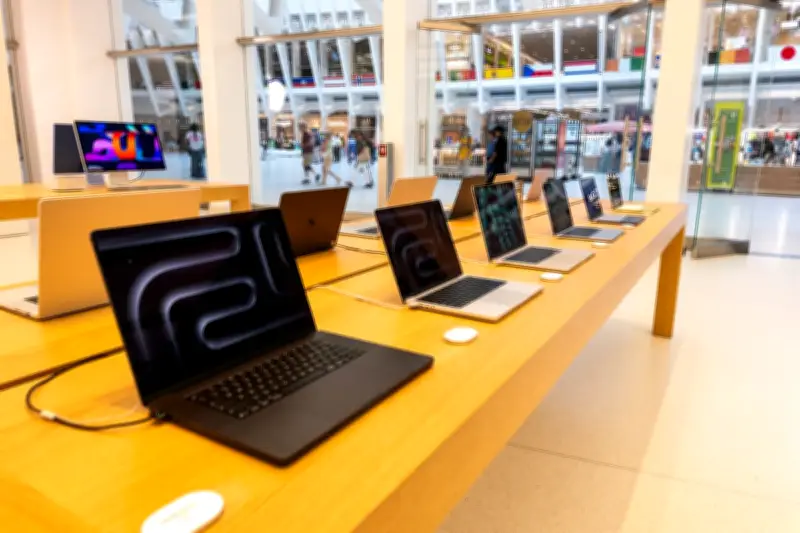
Apple raised prices on iPads and MacBooks on Thursday, citing the soaring cost of memory and storage chips driven by the artificial intelligence industry's datacenter buildout. The company said it could no longer shield customers from the component price surge.
Price Hikes Across Products
The starting price of the MacBook Air with 512 gigabytes of storage increased by $200, while a MacBook Pro with 1 terabyte of storage became $300 more expensive. The company also raised prices for both versions of its HomePod smart speaker and Apple TV set-top box. The move did not affect the iPhone, but analysts expect price increases for Apple's flagship product soon.
Apple's lowest-priced laptop, the Neo, saw its starting price rise from $599 to $699 just months after launch.

Memory Chip Costs Surge
Memory makers such as Micron have prioritized orders from AI chipmakers like Nvidia, leading to record profits for memory companies but leaving little supply for electronics makers. This has forced companies like Apple to increase prices.
“We have never seen a component price increase this much, this quickly,” Apple said in a statement. “We have shielded our customers from these increases so far, but we have now reached a point where we need to begin raising prices on a number of products, including today’s increases for iPad and Mac.”
Impact on Apple and Rivals
Shares of Apple fell nearly 5% following the announcement, while rival Dell dropped more than 8%. Despite Apple's deep supplier ties providing some cushion, analysts warn that iPhone price hikes are imminent.
“The iPhone isn’t spared. Its hike is coming,” said Nabila Popal, a senior research director at IDC. “It was incredibly strategic for Apple to make the price hike announcements prior to the iPhone fall launch, so the headlines at launch is not the price hikes but the value the new phones bring.”
Market-Wide Effects
Prices of dynamic random access memory (DRAM), used in virtually all modern tech gadgets, rose as much as 98% in the first quarter of 2026 and are set to jump another 58% to 63% in the current quarter, according to industry tracker TrendForce. This surge, dubbed by some experts as “Ram-ageddon,” has been driven by a boom in AI data center construction, with companies like Nvidia signing long-term deals with memory makers.
Micron announced on Wednesday that it has locked in $22 billion in such long-term commitments from customers looking to secure their memory supplies. The rising costs are expected to weigh heavily on device sales this year, with research firm IDC estimating that the smartphone market would see its biggest-ever annual decline of nearly 14% in 2026, while the PC market would fall 11.3%.