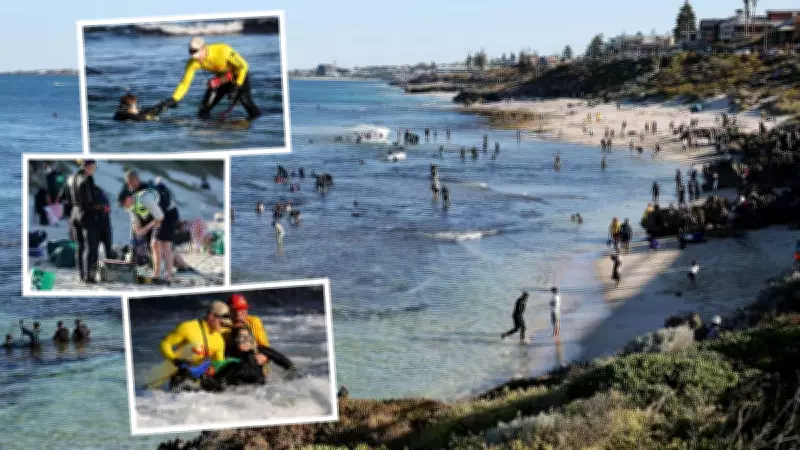
Western Australia's annual abalone season has sparked a dramatic surge in emergency incidents, with volunteer surf lifesavers rescuing 22 fishers in a single hectic hour along Perth's coastline. The frantic activity unfolded between 7am and 8am on Saturday, February 7, 2026, at locations stretching from Halls Head to Yanchep.
Rescue Numbers Skyrocket Amid Seasonal Rush
This alarming tally represents a significant increase from previous sessions, with only four rescues recorded during the season's opening hour and 11 in the second session. The abalone season consists of four tightly regulated one-hour sessions that consistently place Surf Lifesaving WA (SLSWA) volunteers on high alert.
The dangerous nature of abalone fishing is underscored by tragic statistics – six people have drowned while pursuing the delicacy since 2012. Beyond the 22 dramatic rescues, nine additional individuals required first aid treatment during Saturday's third session alone.

Massive Volunteer Response Deployed
To manage the crisis, SLSWA mobilized an impressive force of 148 volunteer lifesavers supported by 30 rescue craft. Their coordinated efforts successfully prevented further drownings during the chaotic morning session.
Meanwhile, fisheries officers maintained a strong presence throughout the fishing zone, conducting license checks and monitoring compliance with abalone regulations. Their efforts were bolstered by dedicated education teams working to promote safer fishing practices.
Widespread Non-Compliance Detected
Officers issued 33 formal infringements for various violations including exceeding the 15-abalone bag limit, fishing without proper licenses, taking protected species, and harvesting from closed waters. An additional 41 warnings were distributed to fishers operating near regulatory boundaries.
All recreational abalone fishers must possess current licenses to participate in the designated sessions, with approximately 16,000 licensed abalone enthusiasts registered across Western Australia. The western zone – extending from Busselton Jetty to the Greenough River mouth and including islands like Rottnest and Carnac – maintains a strict 60mm minimum size limit for harvested abalone.
Balancing Access with Sustainability
Department of Primary Industries and Regional Development management officer Aidan Walsh emphasized that the abalone season's tight management serves dual purposes: providing recreational fishers with safe access while ensuring the fishery's long-term sustainability.
The department's comprehensive approach combines enforcement, education, and volunteer lifesaving services to address both conservation concerns and public safety during these intense, abbreviated fishing windows that annually draw thousands to Perth's beaches.