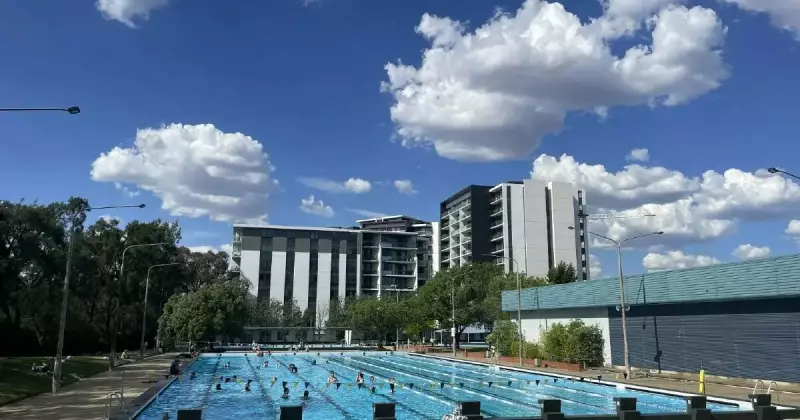
Canberra's Pool Crisis: Aquatic Groups Unite to Demand Better Facilities
A coalition of swimming and sports groups has formed in Canberra to address what they describe as a critical shortage and decline of aquatic facilities in the capital. The group, known as the Coalition of Aquatic Pool Users and Urban Swimmers, is calling on the ACT government to halt the trend of giving pool sites to developers and instead invest in preserving and enhancing swimming infrastructure.
Key Demands from the Coalition
The coalition, which includes members from various aquatic user groups, has outlined several urgent demands. These include:
- Saving the dive pool at the Canberra Olympic Pool from demolition.
- Returning the Big Splash water park to public ownership.
- Having the government take over the lease for the Phillip swimming pool.
- Increasing investment in natural waterways for urban swimming.
- Ensuring genuine consultation with users in the development of an Aquatic Pool and Urban Swimming Strategy.
According to Sarah Ransom from Save Phillip Pool, one of the coalition's member groups, Canberra has a pool problem. She emphasised that the growing community requires a diverse range of facilities, including indoor, outdoor, competition-grade, and recreational pools. Instead, she noted, pool sites are being handed over to developers without adequate reinvestment, which is particularly concerning for an inland Australian city.

Specific Pool Issues and Community Impact
The Phillip swimming pool site, currently leased by developer Geocon, is approved for hundreds of residential units, with plans to replace the outdoor 50-metre pool with a smaller indoor facility. Supporters argue it is not too late to save this pool from development.
Meanwhile, the Big Splash water park, purchased in 2021 by Translink Management Group, faces repossession by private lenders and a deadline to reopen, which is unlikely to be met due to its derelict state. Campaigners are pushing for it to be brought back into public hands.
The Canberra Olympic Pool and its dive pool are slated for demolition to make way for a new entertainment precinct and convention centre. A proposed $138 million Canberra Aquatic Centre in Commonwealth Park has been criticised by supporters of the existing pool if it does not include a dive pool, with Dr Louise Watson of the Friends of Civic Pool stating that user voices were not heard in consultations.
Broader Implications for Sports and Youth
The loss of the dive pool could impact multiple sports, including diving and underwater rugby, as highlighted by Nicola Maher from Canberra Underwater Rugby. She warned that without such facilities, these sports may cease to exist in Canberra.
Amelia Tattam, chair of Save Big Splash, stressed the importance of pools as third spaces for Canberra's youth, providing affordable and fun venues for socialising and physical activity. She expressed concern that fewer pools could lead to more young people swimming in potentially unsafe local waterways.
Urban Swimmers and Natural Waterways
Urban swimmers in the coalition are advocating for investment in Canberra's natural waterways, expressing disappointment that Minister Yvette Berry has excluded these spaces from the aquatic strategy. Todd Hayward from Canberra Wild Swim pointed out the benefits of open-air swimming for physical and mental wellbeing, urging the city to follow global examples in championing outdoor swimming infrastructure.
Future Engagement and Community Workshop
The coalition plans to continue engaging with both the ACT and Federal governments, hoping their offer to co-design the aquatic strategy will be accepted. A community workshop is scheduled in the coming weeks to gather input on Canberra's aquatic infrastructure needs, with invitations extended to politicians and government officials.
Dr Caroline Luke-Evered, president of the Friends of the Manuka Pool, reiterated the desire for genuine involvement in the strategy's development, noting concerns about being excluded from key consultation processes.