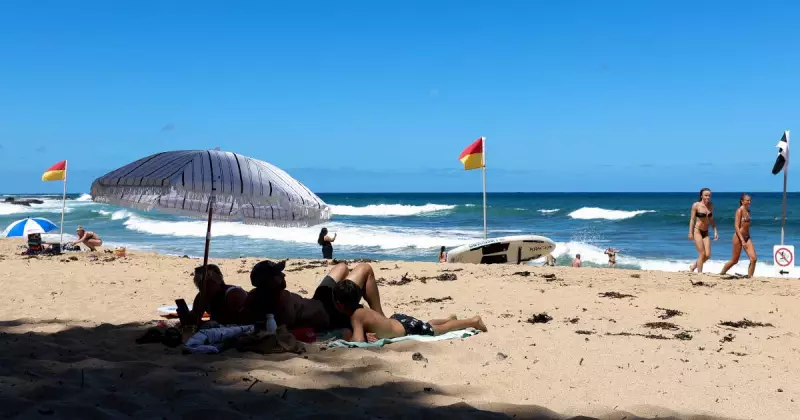
Surf lifesavers across the Illawarra region are issuing a critical safety plea to beachgoers this summer, urging them to swim only at patrolled locations between the red and yellow flags. The call comes after a significant number of rescues and preventative actions already this season.
A Spike in Incidents Prompts Warning
Official figures reveal a concerning trend. Since July 1, 2025, volunteer lifesavers in the Illawarra have performed 63 rescues and taken over 2,000 preventative actions. Surf Life Saving Illawarra duty officer Anthony Turner described this number as "quite high leading into the season."
The danger was starkly illustrated in a recent incident at Coledale Beach. An off-duty lifesaver, still socialising in a nearby caravan park, heard screams for help. He saw a man caught in a powerful rip current and struggling to stay afloat. The lifesaver immediately entered the water to assist, an act Mr Turner said was "highly risky" due to the lack of backup and equipment.

"The community really appreciated the efforts of the lifesaver, and I guess the guy probably had no idea of how risky it was to be swimming at a closed beach," Mr Turner said.
The Golden Rules for Beach Safety
To prevent such emergencies, lifesavers emphasise several non-negotiable safety practices:
- Always swim between the red and yellow flags. This area is continuously monitored by trained professionals who have identified the safest part of the beach.
- Supervise children closely at all times.
- Never swim alone; always go with a mate.
"The lifesavers and lifeguards they're trained, they're professionals, they know where the safest part of the beach is to swim at," Mr Turner explained. "In the event you might get into trouble, even in the flagged area, they can be dispatched and rescue that person in seconds."
What to Do in an Emergency
If you witness someone in distress at an unpatrolled location, Mr Turner outlined a clear action plan:
- Do not put yourself in danger. Your safety is paramount.
- Call 000 immediately and alert police to the unfolding water emergency. Provide clear details: the number of people, their gender, and the exact location (e.g., north end of Thirroul Beach).
- Look for a lifesaver or lifeguard nearby. You may need to send someone to find help.
- If you are confident and it is safe, take a flotation device like a surfboard or boogie board to the person. Hand them the equipment, reassure them, and tell them help is on the way.
The Illawarra is also equipped with seven emergency response beacons in the Wollongong LGA at Coniston, Corrimal, Hill 60, Puckeys, Sharkies, Austinmer, and Woonona. These devices connect directly to the Surf Life Saving operations centre when activated.
Plan Ahead with the Right Tools
Mr Turner strongly recommends all beachgoers download the Beach Safe app. This resource provides vital information including patrolled beach locations, real-time conditions, and rip current identification.
"We advise anyone who is planning a trip around NSW to download that app and have a look at the website," he said. "It's got great information. Everyone should do their research before heading to a coastal area they're not sure of."
The warning follows a historically busy period for lifesavers. During the previous Christmas and New Year period (December 23, 2024, to January 5, 2025), NSW lifesavers performed over 500 rescues and took more than 40,000 preventative actions statewide.