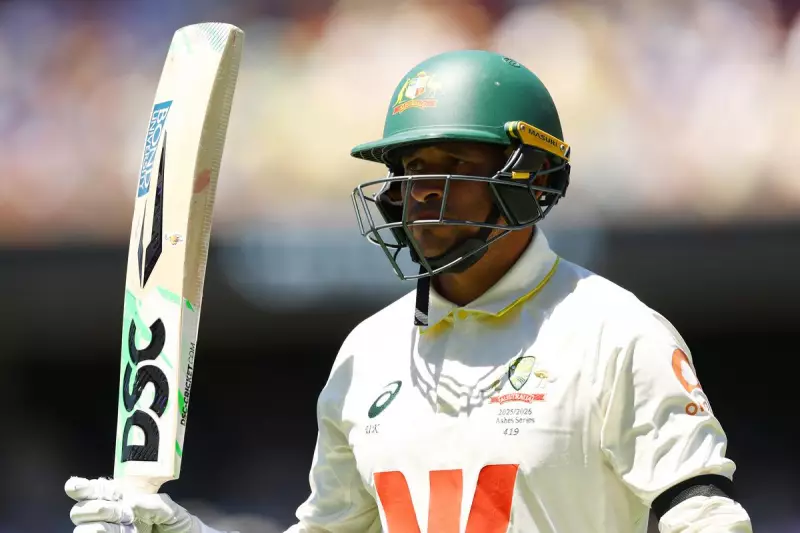
The Australian cricket selection panel, led by George Bailey, faces a complex and unexpected puzzle following veteran batsman Usman Khawaja's remarkable performance in the Ashes series. Khawaja, who many believed was playing his final Test matches, delivered a stunning century that has dramatically altered the conversation around his future in the Baggy Green.
The Innings That Changed Everything
In a move that surprised fans and pundits alike, Usman Khawaja was recalled to the Australian Test squad for the 2025 Ashes series in England. The selection was widely viewed as a short-term solution, a farewell tour for a respected player to provide stability at the top of the order. However, Khawaja had other plans. Defying expectations, the left-hander crafted a magnificent and gritty century in the third Test at Leeds, a knock described by cricket writer Jackson Barrett as "one of the great modern Ashes innings."
This was not a fluent, easy hundred. It was a testament to Khawaja's immense skill and temperament, battling challenging English conditions against a high-quality bowling attack. His score of 115 was instrumental in keeping Australia competitive in a tight match, proving his enduring class at the highest level. The innings forced everyone, including the national selectors, to radically reassess their assumptions about his career trajectory.

The Looming Selection Conundrum
Prior to this Ashes series, the Australian batting order seemed to be on the cusp of a generational shift. The focus was firmly on younger players like Cameron Green and the returning Will Pucovski, who are seen as long-term pillars of the team. Khawaja's successful comeback now creates a significant logjam at the top of the order.
National selector George Bailey and his panel must now answer difficult questions. Do they reward Khawaja's form and retain him for the upcoming home summer, potentially delaying the promotion of a younger star? Or do they stick to the original transition plan, risking the loss of a proven performer who is clearly still capable of Test-match centuries? The decision is fraught with implications for both team balance and the message it sends about selection policy.
The situation is further complicated by the settled nature of the rest of the top order. Marnus Labuschagne and Steve Smith are immovable at numbers three and four, while Travis Head provides explosive power in the middle. Finding a spot, if not at the top, becomes an even trickier puzzle.
Weighing Up Experience Versus Future Planning
This dilemma pits immediate success against long-term planning. Khawaja offers invaluable experience, a calm head in pressure situations, and a proven track record in all conditions. His presence in the dressing room is also considered a major positive for mentoring younger batters.
Conversely, investing in youth like Pucovski or continuing to develop Green as a specialist batsman could pay dividends for the next decade. Selectors must decide if Khawaja's renaissance is a lasting one or a brilliant final flourish. His age, 38, is an unavoidable factor in the equation, though his current fitness and form suggest he could continue for longer than anticipated.
What Comes Next for Uzzie?
The immediate future will see Khawaja return to domestic cricket, likely captaining Queensland in the Sheffield Shield. His performances there will be scrutinised more heavily than ever. Every run he scores will put additional pressure on the national selectors to keep him in the frame.
Jackson Barrett's analysis highlights that the ball is now firmly in the court of George Bailey and the selection panel. They have been presented with the best kind of problem: an excess of in-form talent. How they resolve the Usman Khawaja situation will be one of the most talked-about stories in Australian cricket leading into the next Test series. His unforgettable Ashes century ensured his career will not end with a whisper, but with a roaring debate about his rightful place in the team.