Morley Noranda Recreation Club Aims to Join Padel Fitness Trend with Major Court Proposal
Padel enthusiasts in Bayswater could soon have access to another significant sporting venue, with ambitious plans submitted for six new courts at the Morley Noranda Recreation Club. The proposal, which has been lodged by Outback Padel, is currently under consideration by the City of Bayswater, following the closure of the public comment period.
Details of the Proposed Padel Facility Development
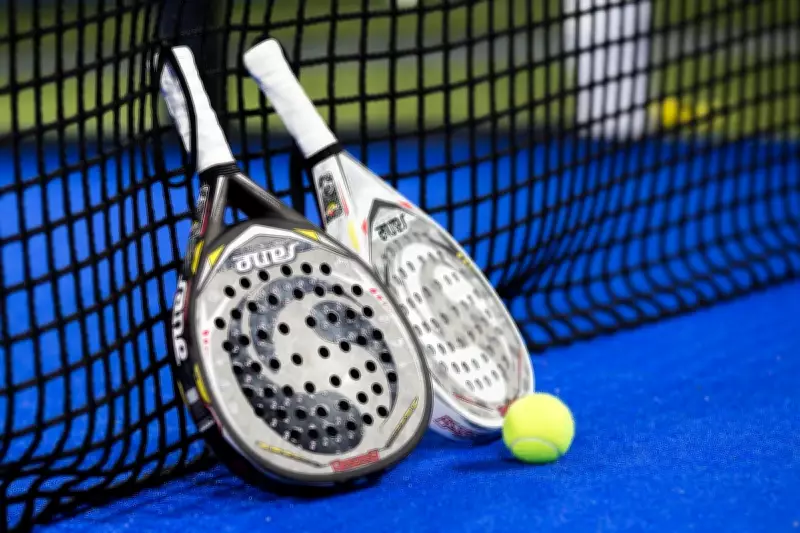
The comprehensive application outlines the construction of six dedicated padel courts, designed to accommodate up to twenty-four players simultaneously. Padel, a racquet sport that combines elements of tennis and squash, involves players using solid paddles to hit a perforated ball, with scoring rules identical to traditional tennis. This fast-paced game has been gaining popularity worldwide for its accessibility and social appeal.
In addition to the courts, the development plans include several complementary features:

- A 6m x 3m equipment store for gear sales and rentals
- A designated seating area for spectators and players
- Additional tree plantings to enhance the landscape
- Operating hours from 7am to 10pm, seven days a week
The proposed courts would be situated adjacent to the southern boundary of the existing Noranda sporting complex, with the facility expected to employ three staff members on-site.
Parking and Infrastructure Considerations
No additional parking facilities are proposed as part of this development. The existing site already offers approximately 130 parking bays, supplemented by available street parking along Wylde Street. This approach aims to utilise current infrastructure while minimising environmental impact and construction costs.
Background and Council Support for the Padel Expansion
This proposal follows the City of Bayswater's approval in August of a sub-lease agreement between Outback Padel and Bedford Bowling Club, valid until December 2035. During council discussions, Jaimie Forssman from Outback Padel highlighted the sport's growing appeal, describing padel as easy to learn, suitable for all ages and abilities, and notably inclusive.
"One of the unique aspects of padel is that people often find themselves hooked after just one game," Forssman told the council in August. "Globally, padel is the fastest-growing sport with more than 30 million players across over 130 countries, featuring more than 50,000 courts worldwide."
Forssman emphasised Western Australia's emerging position in the padel landscape, noting that while the state currently has just eight courts, there is significant local appetite for expansion. "Bayswater has the opportunity to be at the forefront of this movement," he added, pointing to the sport's potential for community engagement and physical activity promotion.
Financial and Operational Aspects
Outback Padel has committed to covering all construction costs associated with the project, along with ongoing electricity charges for the facility. This financial arrangement reduces the burden on local government resources while ensuring professional management of the sporting infrastructure.
City officers have expressed support for the application, noting that the padel courts would effectively maximise an underutilised section of the club grounds. Their assessment suggests the development would provide valuable additional recreational options for the local community, aligning with broader goals of promoting active lifestyles and social connection.
Next Steps in the Approval Process
Councillors are scheduled to consider the formal application later this year, with a decision expected following thorough review of community feedback, planning regulations, and the proposal's alignment with local development strategies. The outcome will determine whether Bayswater adds another significant facility to Western Australia's growing padel infrastructure.

This development represents part of a broader trend of recreational diversification at established sporting clubs, as organisations seek to adapt to changing community interests and participation patterns. The integration of padel facilities at traditional recreation venues reflects the sport's rising profile and its potential to attract new members across different age groups and skill levels.