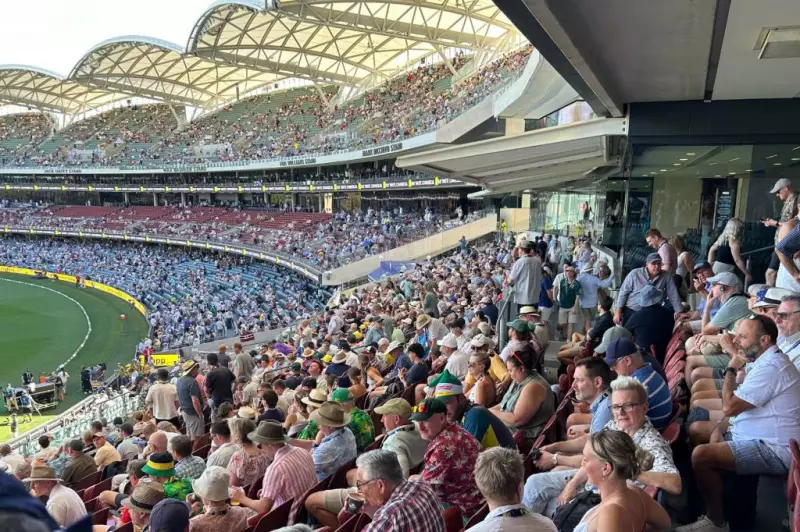
Members of South Australia's prestigious cricket club have voiced their intense frustration following a chaotic and overcrowded first day of the historic Ashes Test at Adelaide Oval.
Record Crowds Spark Member Backlash
A massive, record-breaking crowd descended upon the iconic Adelaide Oval yesterday for the opening day of the third Ashes Test. While the atmosphere was electric for the marquee event, it came at a significant cost for the venue's loyal members. Many found themselves grappling with severe overcrowding, excessively long queues for amenities, and an inability to access their usual reserved seating areas.
The situation has left numerous long-standing members questioning the value of their subscriptions. One disgruntled member captured the collective sentiment, stating he was "not sure what I'm paying for anymore" after the experience. Reports from the ground detailed specific grievances including obstructive promotional stickers on seats and walkways, contributing to the day's disruptions.

Core Grievances and Organisational Failures
The primary complaints from members centred on a fundamental breakdown in the privileges their membership is supposed to guarantee. Despite paying for exclusive access, many were left standing or searching for a place to watch the cricket. The sheer volume of spectators, while a testament to the event's popularity, appeared to overwhelm the Oval's planning and management for member services.
Key issues raised included:
- Inability to access designated member seats due to overcrowding.
- Unacceptably long lines for food, beverages, and restrooms.
- Poorly placed advertising stickers causing nuisance and potential hazards.
- A feeling that commercial interests for the blockbuster Ashes Test were prioritised over member benefits.
Implications for the Premier Cricket Club
This incident strikes at the heart of the relationship between the Adelaide Oval, which bills itself as home to the world's largest cricket club, and its most dedicated supporters. The Ashes Test is the pinnacle of the Australian summer cricket calendar, and members expect their significant financial commitment to be honoured, especially during these flagship events.
The backlash, reported on December 18, 2025, presents a serious public relations challenge for the venue's administration. It raises questions about capacity planning and member communication for major fixtures. If not addressed promptly and effectively, the discontent could lead to a erosion of trust and even membership cancellations, damaging the club's revered community status.
The coming days will be crucial as management is expected to respond to these complaints and outline how they will ensure member privileges are upheld for the remainder of the Test match and future major events.