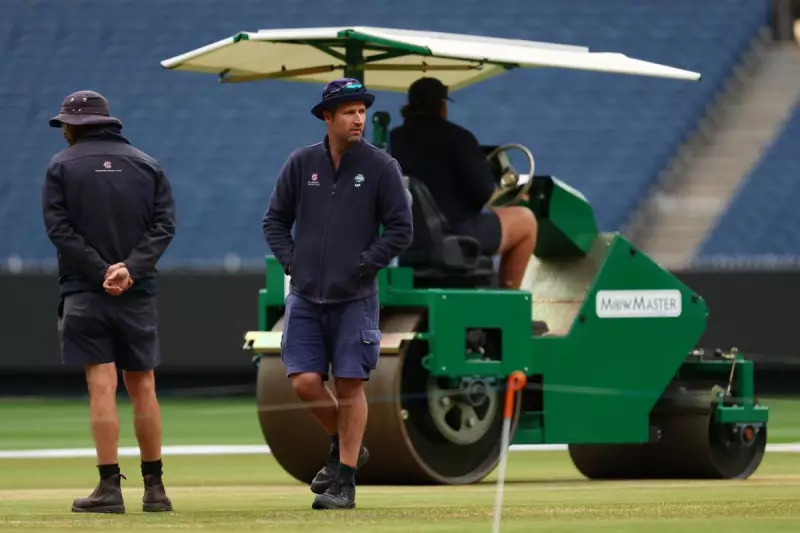
Matt Page, the head curator at the Melbourne Cricket Ground, has candidly admitted he was left stunned after the iconic Boxing Day Ashes Test of 2023 concluded in a mere two days of play. The match, a pivotal encounter in the series between Australia and England, defied all expectations for duration and drama on one of cricket's grandest stages.
A Curator's Honest Reaction
In a revealing interview, Page described his personal reaction to the rapid conclusion. "I was in a state of shock, to be honest," he confessed. The curator, responsible for preparing the hallowed turf, had anticipated a much longer contest, making the two-day finish a profound surprise. He emphasised that his team had followed their standard preparation process in the lead-up to the Test, aiming to produce a pitch that would offer a fair contest between bat and ball over five days.
The match itself was a whirlwind. Australia, having won the toss and elected to bowl, dismissed England for a modest total. The home side then built a significant lead, before England's second innings collapsed, handing Australia a decisive victory and an unassailable lead in the series. The speed of the result sent shockwaves through the cricketing world and placed the MCG pitch under intense scrutiny.

Pitch Preparation and External Factors
Page defended the work of his ground staff, explaining the detailed process that goes into preparing a Test match wicket. He pointed out that the pitch had genuine grass coverage and that the preparation was consistent with previous years. However, he acknowledged that certain external conditions played a significant role in the match's abbreviated timeline.
The weather leading into the Test was cited as a major factor. Unseasonably cool and overcast conditions in Melbourne during the match heavily favoured the pace bowlers. The cloud cover and moisture in the air aided significant swing and seam movement, making batting exceptionally difficult. Page suggested that these conditions, combined with high-quality bowling and some rash batting, conspired to produce a result that was not reflective of the pitch's inherent character alone.
Broader Implications for Test Cricket
The two-day finish sparked immediate and widespread debate about the health of Test cricket and the nature of modern pitches. Critics questioned whether surfaces were becoming too bowler-friendly, threatening the traditional balance of the five-day game. For a marquee event like the Boxing Day Test, which draws huge crowds and global television audiences, a short match also carries significant commercial and fan engagement implications.
Page expressed understanding for these concerns but urged for perspective. He noted that cricket, especially in Australia, is played on a variety of surfaces, and that a result pitch is often celebrated. The curator's primary goal remains to produce a competitive sporting wicket, not necessarily one that guarantees five full days of play. He concluded by stating that his team would review all data and feedback, as they always do, to continue their work in maintaining the MCG's reputation as one of the world's great cricket grounds.
The incident serves as a reminder of the complex interplay between curation, weather, and player skill in determining the fate of a Test match. While the 2023 Boxing Day Test will be remembered for its brevity and Australia's series victory, it has also ignited an important conversation about the craft of pitch preparation in the contemporary era.