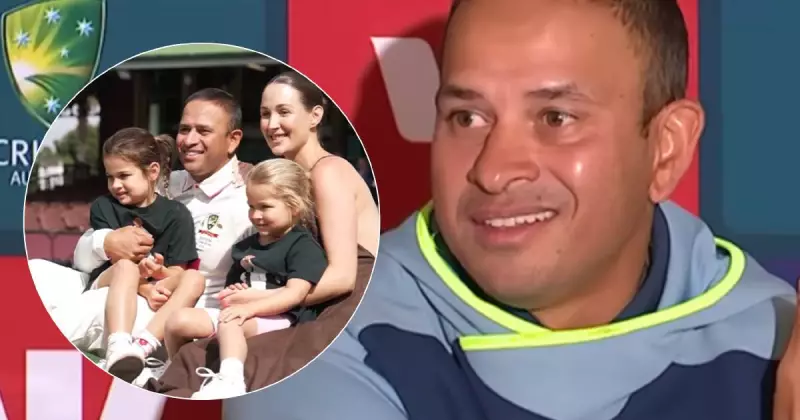
The powerful and emotional retirement speech of veteran Australian batsman Usman Khawaja has ignited a crucial conversation about diversity and representation in cricket, leaving what one expert calls an 'uncomfortable' new challenge for the sport.
An emotional farewell and a legacy of advocacy
Usman Khawaja announced that the fifth Ashes Test at the Sydney Cricket Ground on January 5, 2026, would be his final match, ending an illustrious 18-year career. The 39-year-old's 50-minute press conference, however, transcended a simple farewell. He spoke candidly about the hurdles he faced as Australia's first Pakistani-born Test cricketer and its only Muslim, questioning whether he was sometimes treated unfairly for not being a 'John Smith'.
Khawaja detailed the challenges of trying to fit in and stressed the importance of using his platform to speak up for people from diverse backgrounds and on social issues. He expressed hope that his journey had paved a way for 'the next Usman Khawaja'. His remarks prompted immediate debate, with cricket legend Jason Gillespie later questioning Khawaja's claims that racism was behind some of the criticism he faced during the recent Ashes series.

The 'uncomfortable' challenge for the majority
With Khawaja stepping away from the player spotlight, the responsibility to advocate now falls more heavily on others. Dr Catherine Ordway, a sport integrity academic at the University of New South Wales Business School in Canberra, argues this presents a critical test.
'It's on the rest of the majority to speak up, because not everybody feels comfortable taking on that role,' Dr Ordway said. 'I can understand why, because you get a lot of backlash and Usman has had his fair share of trolling and abuse. Anyone who has a platform, who comes from the dominant group, should take on that role to speak for the voiceless.'
Dr Ordway, who leads research on racism and gender equality in sport and worked to bring the Afghanistan women's cricket team to Australia in 2021, was critical of those who dismissed Khawaja's lived experience. She urged people without that expertise to 'button up and listen - spend more time listening and less time reacting.'
A white sport in need of change
The academic highlighted a persistent lack of diversity in Australian cricket, extending beyond the playing field. 'One of the big criticisms is that cricket is a very white sport,' she noted. 'Why aren't they represented more in the playing cohort or more in broadcasting, commentary, coaching and in leadership? We don't see them sitting at the table in key roles.'
She pointed to Australian captain Pat Cummins as a 'terrific example' of a player in a position of power using his voice for change. Meanwhile, teammate Steve Smith came to Khawaja's defence regarding recent 'unfair' criticism over a golf injury before the Perth Test. 'Some of the stuff around him getting injured when he played golf the day before the game, that was unfair,' Smith said. 'I think he's done that for 15 years and had a pretty good career.'
As Khawaja walked onto the SCG for his farewell match to cheers from his home crowd, the question lingered: in his absence, who in Australian cricket will have the courage to stand up and continue the conversation he started?