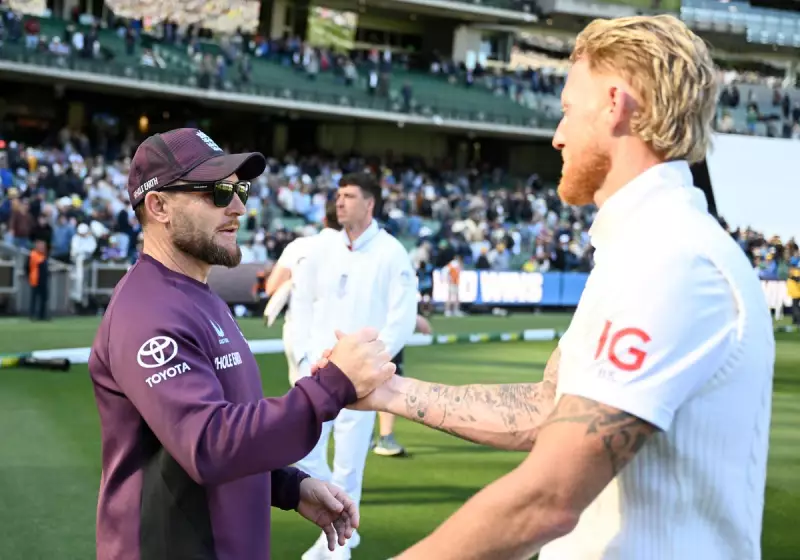
England has finally broken its long-standing drought on Australian soil, securing a dramatic victory in the Fourth Ashes Test at the Melbourne Cricket Ground. The win, however, came with a significant double blow for the host nation, striking both sporting pride and the financial bottom line of Cricket Australia.
A Historic Victory and a Costly Shortfall
In a frenetic match that concluded inside two days, England chased down a target to win by four wickets, marking their first Test match victory in Australia in 15 years. The result leaves the series score at 3-1 to Australia with one match to play in Sydney. Despite the series already being decided, the win carried immense symbolic weight for an English side that had faced heavy criticism throughout the tour.
The rapid finish, however, has landed a heavy financial penalty on Cricket Australia. With the match ending well before its scheduled five days, the game's governing body faces a shortfall worth millions of dollars for each day of play lost. This hit is expected to be even larger than the one incurred during the early finish of the Perth Test in November, due to the record-breaking crowds in Melbourne.

Record Crowds Witness Bizarre Collapse
The Boxing Day Test attracted unprecedented numbers, with a record 94,199 fans attending day one, the largest ever for a cricket match in Australia. Day two drew 92,045, making it the second-biggest crowd. These spectators witnessed one of the most unusual matches in recent memory, where batting proved extraordinarily difficult.
A staggering 36 wickets fell across just six sessions of play, making it only the fourth Test in Australian history to finish before the end of the second day. Remarkably, it was the second such truncated match of this Ashes series alone.
England captain Ben Stokes, who along with former skipper Joe Root had never won a Test in Australia across four previous tours, described the feeling as "awesome" and "pretty special." He admitted to nerves as the team closed in on the target, stating, "10 runs felt a long way when I got out."
Leadership Steers Team Through Turbulence
The victory followed a difficult period for the touring squad, which included intense scrutiny over a mid-series break in Noosa. Videos emerged showing players Ben Duckett and Jacob Bethell partying, which increased the pressure on the team.
Stokes acknowledged the challenge, saying, "The couple days building up to this Test match were obviously difficult for us. The way in which the leadership group ... were able to try and keep as much focus as possible on the cricket that was coming up was very important."
Despite the England fightback, Australia's hold on the Ashes urn remains secure until at least 2027, extending their dominance beyond a decade. England last won the series in 2015 and last triumphed on Australian soil in 2011.
Sporting Leaders Decry 'Bad for Business' Trend
The abbreviated nature of the match drew concern from both camps and the administration. Even Stokes, the architect of England's aggressive 'BazBall' approach, expressed disappointment. "Being brutally honest, that’s not really what you want," he said. "Boxing Day Test match, you don’t want a game finishing in less than two days. It’s not ideal."
Cricket Australia CEO Todd Greenberg was blunt in his assessment of the financial impact. "Simple phrase I’d use is 'short Tests are bad for business'," Greenberg stated on SEN radio. "I can’t be much more blunt than that."
Australian stand-in captain Steve Smith echoed the sentiment, expressing sympathy for fans who missed out. "Obviously the finances aren’t great, I think it was a sell-out tomorrow if we got there," Smith said. He noted that the aggressive batting styles of both teams are pushing matches into "fast-forward," but conceded a two-day finish was far from ideal for the spectacle.
The focus now shifts to the final Test at the Sydney Cricket Ground, commencing on January 4, where Australia will look to secure a 4-1 series victory while England aims to build momentum from their historic Melbourne win.