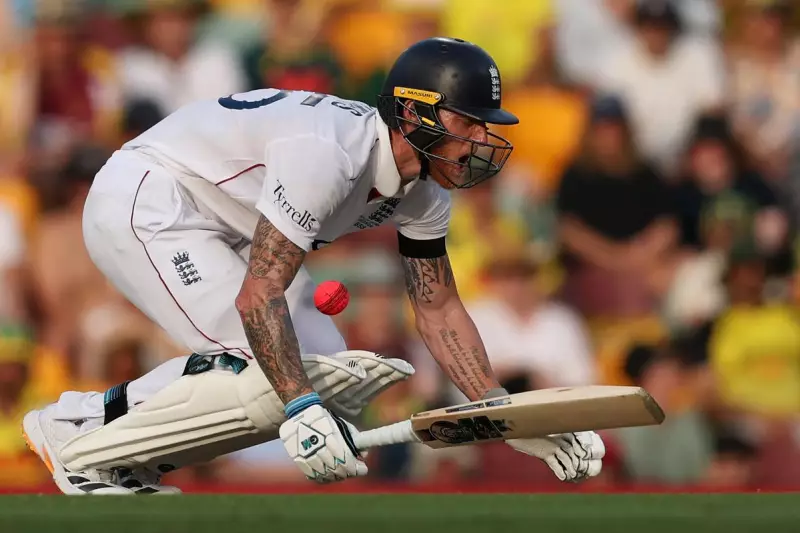
England's cricket leadership is poised to formally reject the scheduling of future pink-ball, day-night Ashes Tests on Australian soil following yet another comprehensive defeat under lights. The decision comes in the wake of a dominant Australian victory in the recent day-night encounter, reinforcing a troubling pattern for the visiting side.
A History of Struggle Under Lights
The recent match, played with the pink ball at a major Australian venue, saw England succumb to a heavy defeat, continuing a dismal record in such conditions. England has now lost all four of its day-night Test matches played in Australia, a statistic that has forced a major strategic rethink. Team management and senior players have concluded that the unique conditions, particularly the pronounced swing and seam movement under lights, disproportionately favour the Australian attack.
This isn't a new concern. The disparity in performance has been stark, with England's batters repeatedly failing to cope once the twilight period sets in. The touring side believes this imbalance undermines the contest and gives the home team an advantage they are unwilling to face again in the sport's most prestigious series.

The Rationale Behind the Stance
Key figures within the England camp have pointed to the specific challenges that the pink Kookaburra ball presents in Australian conditions. They argue that while day-night Tests have been successful in other countries and in other bilateral series, the combination of hard Australian pitches, evening dew, and the ball's behaviour creates an environment that is exceptionally difficult for touring teams to conquer.
The England and Wales Cricket Board (ECB) is expected to back this position in future negotiations with Cricket Australia over the schedule for the 2025/26 Ashes tour and beyond. Their stance will be to insist on a traditional, red-ball-only itinerary, believing it provides a fairer test of skill between the two historic rivals.
Implications for the Future of the Ashes
This potential veto from England sets up a significant point of contention with Australian cricket authorities, who have embraced day-night Tests as a commercial and spectator success. Matches under lights have drawn large television audiences and strong crowds, injecting renewed public interest into the Test format.
However, England's firm stance prioritises competitive integrity over commercial gains for this particular series. The move signals a desire to return the Ashes to its traditional roots, where bat and ball are tested in conventional daylight conditions. This could mean the iconic pink-ball spectacle, a fixture of recent Australian summers, is absent from the next Ashes tour down under.
The decision underscores the deep strategic planning now involved in an Ashes campaign, where conditions and scheduling are fought over as fiercely as the matches themselves. Whether Cricket Australia acquiesces or a compromise is found remains to be seen, but England's message is clear: they believe their best chance of winning in Australia lies in the sunlight, not under the floodlights.