Fresh calls are erupting for cricket's governing body to adopt the UltraEdge review system universally after another Decision Review System (DRS) controversy ignited tempers on the concluding day of the Ashes series in Sydney.
SCG Uproar Over Murmuring Snicko
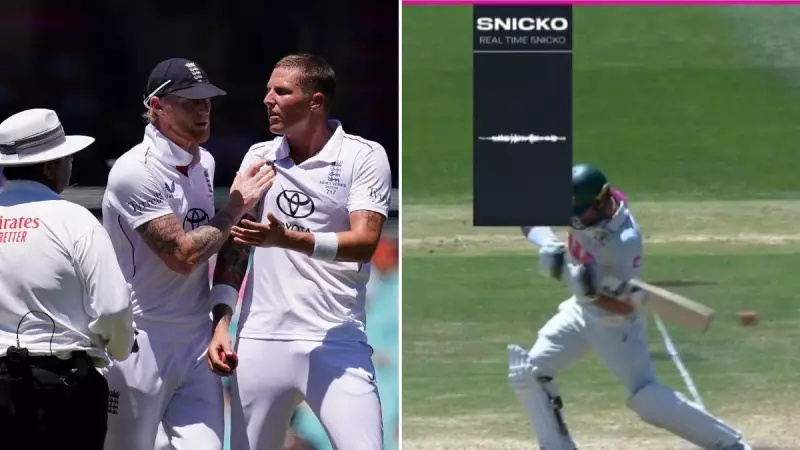
The flashpoint occurred just before midday on Thursday at the SCG, when England believed they had dismissed Australian batter Jake Weatherald. A review seemed to show a faint murmur on the Snickometer as Brydon Carse's delivery passed the bat on its way to the wicketkeeper.
However, third umpire Kumar Dharmasena instructed on-field official Ahsan Raza to uphold his original 'not out' verdict, appearing unconvinced the small spike was definitive evidence of an edge. The decision prompted loud booing from the large English contingent in the Victor Trumper Stand.

England captain Ben Stokes was forced to intervene, first calming down a furious Carse who demanded an explanation from Raza, before then seeking clarity from the umpire himself. Stokes had earlier been cleared for putting an arm around Marnus Labuschagne during a confrontation, adding to the tense atmosphere.
Broad and Ponting Weigh In on Tech Frustration
Commentating for Seven, former England star Stuart Broad expressed bewilderment. "Can’t see any reason why this has been given not out," Broad said. "The England players are not understanding this. They’ve been on the back end of a few rough decisions throughout this series, with the technology letting them down."
He defended Carse's competitive reaction and shifted the blame squarely to the system, stating, "It’s the technology that I think has frustrated England." Australian great Ricky Ponting also acknowledged the visiting side's frustration during the broadcast.
Weatherald's stay was ultimately cut short when he was caught for 34 off Josh Tongue's bowling just before lunch, but the damage to confidence in the review process was already done.
A Series Marred by Technological Doubt
Thursday's incident was far from an isolated case this series. During the third Test in Adelaide, operators admitted a Snicko failure allowed Australia's Alex Carey to survive a caught-behind appeal. Carey proceeded to add 34 more runs to his total, reaching a century that proved pivotal in sealing the series win for Australia.
Later in that same match, England's Jamie Smith survived a close Snicko call, only to be given out in strikingly similar circumstances a few overs later. These repeated controversies have placed the spotlight firmly on the technology's reliability and funding.
In Australia, the responsibility for funding DRS technology currently rests with the host broadcaster, leading to the use of Snicko as a more cost-effective alternative to the UltraEdge system used in most other nations, including England where the ECB funds it. Both systems are ICC-accredited.
Following the Adelaide Test, Australian fast bowler Mitchell Starc argued that the International Cricket Council should centrally fund the technology to ensure consistency. The latest Sydney drama has only amplified those demands, with players, pundits, and fans now mounting significant pressure for a change before next summer.