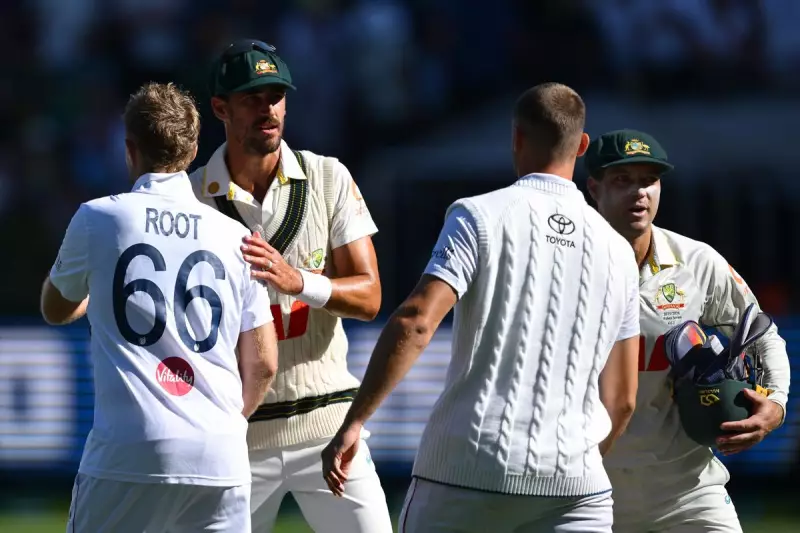
The recent two-day finish to the Sheffield Shield match between Queensland and Tasmania at the Gabba has sparked serious alarm within Australian cricket circles. Experts are now warning that a similar scenario in an upcoming Ashes series would represent an unmitigated disaster for the sport's reputation and commercial health.
A Gabba Warning Shot for Test Cricket
The match in question, played from February 27 to 28, 2025, saw Queensland dismissed for a mere 129 runs before Tasmania collapsed for just 63 in their first innings. The home side then mustered 141 in their second dig, leaving Tasmania a target of 208, which they chased down with six wickets in hand. The entire contest was wrapped up in a staggering 144.2 overs, or less than two full days of scheduled play.
This rapid conclusion was primarily driven by a green-tinged Gabba pitch that offered excessive seam movement and bounce from the outset. While such conditions can produce exciting, bowler-friendly cricket, the extreme nature of the surface raised questions about the balance between bat and ball. The match result has served as a stark reminder of the fine line curators must walk.

The Unthinkable Ashes Scenario
The core concern, as voiced by commentators and former players, is the potential for this to happen on the grandest stage: an Ashes series. A marquee Test series against England, which commands massive broadcast deals, ticket sales, and public attention, finishing in two days would be a commercial and public relations catastrophe.
Such a short match would leave fans feeling short-changed, broadcasters with empty schedules, and venues facing significant revenue losses from cancelled days. More importantly, it would fuel the narrative pushed by shorter format leagues that five-day cricket is unsustainable or unentertaining. The pressure on Cricket Australia and ground staff to deliver pitches that guarantee a full, compelling contest is now immense.
"Another two-day Test is a disaster cricket bosses can not afford in an Ashes series again," is the prevailing sentiment echoing from the Gabba. The incident has ignited a fresh debate about pitch preparation standards in Australia, with a clear directive emerging: surfaces must challenge players but also ensure the game reaches a meaningful duration.
Looking Ahead: Balance is Key
The fallout from the Gabba Shield match is a proactive warning. It allows cricket administrators and curators to review protocols before high-profile international fixtures. The goal is not to create flat, batter-friendly roads, but to craft pitches that offer an even contest over four or five days, showcasing the full depth of Test cricket's strategic nuances.
As Australia looks forward to future Ashes battles, the message is clear. The excitement of a result-oriented pitch must be carefully weighed against the need for a durable contest. The integrity and economic model of Test cricket, especially in its flagship series, depend on finding that equilibrium. The two-day Shield finish, while a domestic anomaly, has sounded a loud and clear alarm bell for the custodians of the game.