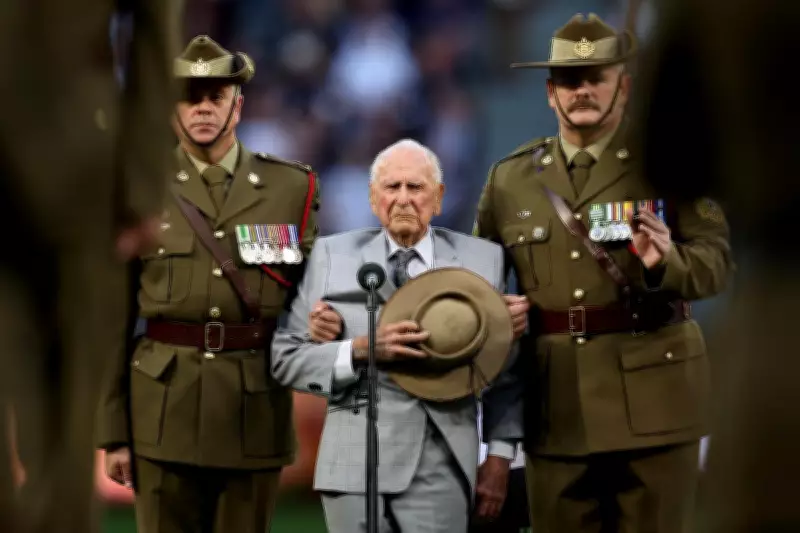
Glen Quartermain: How Australian Football Revived Anzac Day Traditions
In a compelling opinion piece published on Wednesday, 22 April 2026, Glen Quartermain examines the profound impact of Australian football on revitalizing Anzac Day commemorations across the nation. The article delves into how the sport has successfully bridged historical remembrance with contemporary engagement, ensuring that the sacrifices of servicemen and women are honored by younger generations.
The Historical Connection Between Football and Anzac Day
Quartermain traces the origins of this unique relationship, highlighting how Australian football matches held on Anzac Day have evolved into significant cultural events. These games serve as powerful platforms for reflection, with pre-match ceremonies, moments of silence, and tributes that educate audiences about military history while fostering a sense of community pride.
The integration of sport into Anzac Day has not only preserved traditional values but also introduced innovative ways to commemorate the day. By blending athletic competition with solemn remembrance, football has made the occasion more accessible and meaningful for diverse audiences, from avid sports fans to families seeking to connect with Australia's heritage.

Engaging New Generations Through Sport
One of the key points Quartermain emphasizes is how football has engaged younger demographics in Anzac Day activities. Through school programs, community events, and media coverage, the sport has become a conduit for teaching history and instilling respect for military service. This approach has helped counteract declining participation in traditional ceremonies, ensuring that the legacy of Anzac Day remains vibrant and relevant.
The role of football in this revival extends beyond mere entertainment; it fosters a deeper understanding of sacrifice and national identity. Quartermain notes that players and teams often participate in educational initiatives, visiting war memorials and interacting with veterans, which personalizes the historical narrative for fans.
Cultural Impact and Future Prospects
Quartermain's analysis also explores the broader cultural impact of this revival. He argues that football has transformed Anzac Day into a more inclusive and dynamic occasion, blending solemnity with celebration in a way that resonates with modern Australians. This fusion has strengthened community bonds and promoted a shared sense of history.
Looking ahead, the article suggests that the continued collaboration between sports organizations and historical institutions will be crucial for sustaining this momentum. By leveraging the popularity of football, Anzac Day can adapt to changing societal trends while preserving its core values of remembrance and honor.
In summary, Glen Quartermain's piece underscores how Australian football has played a pivotal role in reviving Anzac Day, making it a living tradition that educates, inspires, and unites people across the country.