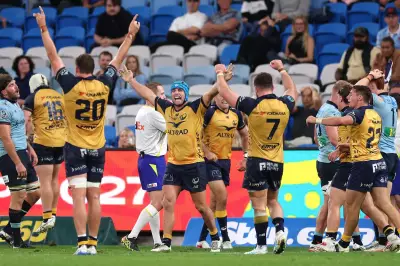
AFL analysts have identified a concerning trend among West Coast Eagles players, with several key performers experiencing significant drop-offs in the latter stages of matches. This phenomenon has been highlighted in a recent statistical breakdown, which points to a 'six-pack' of intriguing observations from the latest round of football.
Key Findings on Eagles' Performance Decline
Data shows that certain Eagles players are struggling to maintain their output in the final quarters, with their effectiveness waning as games progress. This pattern is particularly evident among midfielders and forwards, who often see their impact diminish when matches are on the line.
Players Most Affected
- Midfielders: Several on-ballers have shown a marked decrease in disposals and pressure acts after three-quarter time.
- Forwards: Key attacking players are recording fewer scoring shots and tackles in the last term.
- Defenders: Even the backline has shown signs of fatigue, with intercept marks and spoils dropping off late.
Six Points of Interest
The analysis also brings to light six broader talking points from the round, offering a deeper look into the Eagles' current form and AFL trends.

- Midfield Balance: The Eagles' midfield rotations may need adjustment to preserve energy for crucial moments.
- Bench Impact: Substitutions and bench usage are under scrutiny, with some players failing to provide a spark late in games.
- Opposition Tactics: Rival teams are exploiting the Eagles' late-game vulnerabilities by increasing pressure in the final quarter.
- Fitness Concerns: Questions are being raised about the team's conditioning program, as multiple players show signs of fatigue.
- Captain's Role: Leadership on the field is critical in stemming momentum shifts, and the Eagles' leaders must step up.
- Mental Fortitude: The psychological aspect of closing out games is being examined, with a focus on decision-making under fatigue.
Statistical Breakdown
Advanced metrics reveal that the Eagles' average output in the last quarter is significantly lower than their first-half performance. This includes a drop in disposals, tackles, and inside-50s. The data underscores the need for strategic changes to address this issue.
Comparison with Opponents
When compared to other AFL teams, the Eagles rank poorly in fourth-quarter performance. This has cost them several close matches, highlighting the importance of improving late-game execution.
As the season progresses, the West Coast Eagles will need to find solutions to these late-game drop-offs to remain competitive. Coaches and players alike are expected to focus on fitness, strategy, and mental resilience to turn this trend around.