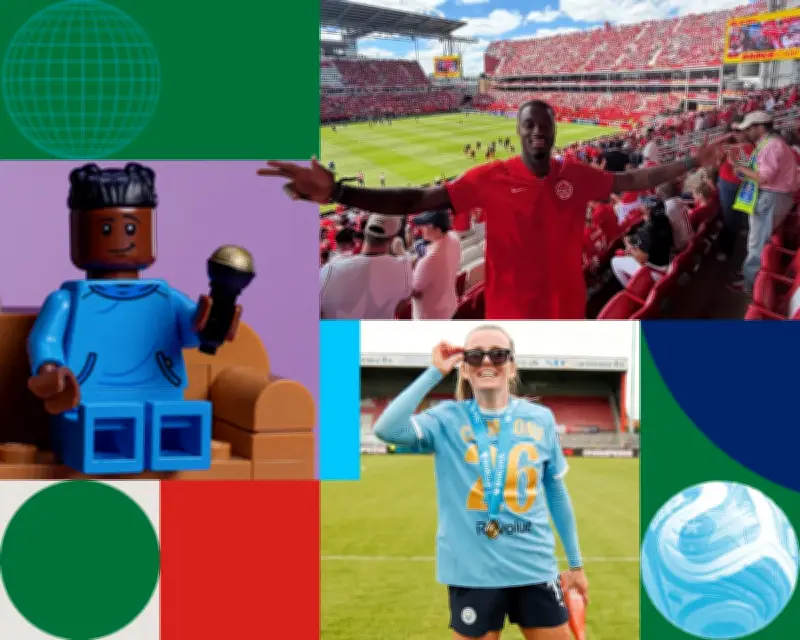
YouTube has announced a groundbreaking initiative to send a team of influencers and content creators to the 2026 FIFA World Cup, marking a significant shift in sports broadcasting. The platform will deploy popular digital personalities to produce exclusive behind-the-scenes content, match highlights, and fan reactions, targeting younger audiences who increasingly consume sports through social media.
New Broadcasting Strategy
This move is part of a broader strategy by FIFA to modernize its coverage and reach viewers who have moved away from traditional television. According to a FIFA spokesperson, the partnership with YouTube aims to "bring the World Cup experience to fans where they already are – on digital platforms." The content creators will have unprecedented access to players, training sessions, and stadiums, offering a more personal and interactive perspective.
YouTube's involvement will complement traditional broadcasters like Fox Sports and Telemundo, which hold the US rights. The platform will stream a selection of matches live, while the influencers will produce supplementary content. This hybrid approach is expected to boost engagement, particularly among 18-34 year olds, a demographic that has shown declining viewership for live sports on TV.

Impact on Audience Engagement
The initiative is seen as a response to the growing influence of digital creators in sports. A study by Nielsen found that 45% of Gen Z sports fans follow at least one sports influencer, and 30% say they are more likely to watch a game if their favorite creator covers it. YouTube's move could set a precedent for future tournaments, potentially reshaping how major events are broadcast.
"We are thrilled to bring the energy and creativity of YouTube creators to the World Cup," said a YouTube executive. "This is about meeting fans where they are and offering them a unique, authentic view of the tournament." The selected influencers will include a mix of football experts, lifestyle vloggers, and meme creators, ensuring a diverse range of content.
Challenges and Criticisms
However, the plan has faced some criticism from traditional media outlets, who argue that influencers may lack journalistic rigor and could prioritize entertainment over accuracy. Others worry about the potential for biased coverage or conflicts of interest, as some creators may have sponsorship deals with teams or brands. FIFA has assured that all content will adhere to strict guidelines to maintain integrity.
Despite these concerns, the partnership is expected to generate significant buzz. The 2026 World Cup, co-hosted by the US, Canada, and Mexico, will be the largest in history with 48 teams. YouTube's involvement could help capture the attention of a global audience, especially in markets where football is growing rapidly.
Broader Implications for Sports Media
This development reflects a wider trend of digital platforms encroaching on traditional sports broadcasting. Amazon, Apple, and Netflix have already secured rights to various leagues, while TikTok and Instagram have become hubs for sports highlights. YouTube's move into live event coverage with a creator-driven approach could accelerate this shift, forcing traditional broadcasters to adapt.
For now, fans can expect a flood of content from the 2026 World Cup, ranging from vlogs and interviews to interactive live streams. The success of this initiative could determine whether influencer-led coverage becomes a staple of future sporting events.