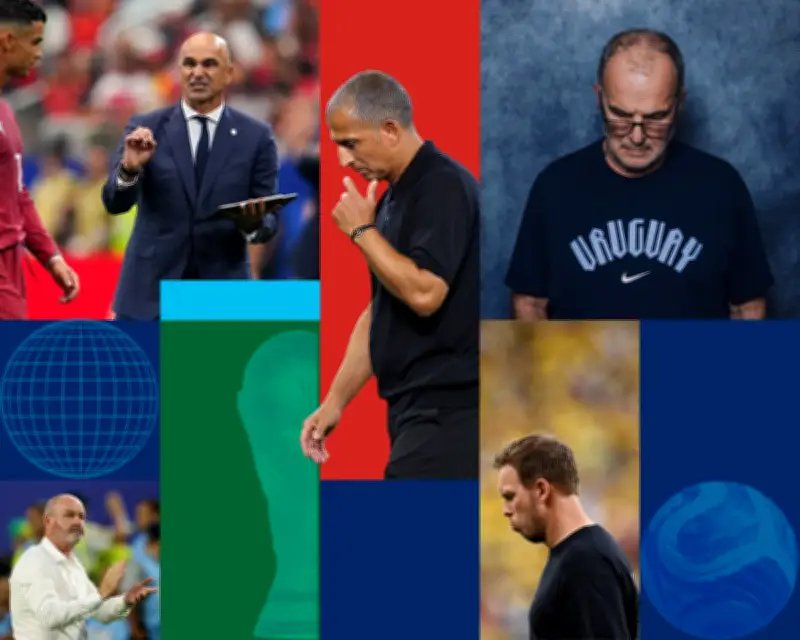
Following the conclusion of the World Cup, a number of national team coaches have departed their roles, marking a period of transition for several football associations. The tournament, held in Qatar, saw unexpected results and performances that led to changes in leadership.
Notable Departures
Among the most prominent exits was that of the Brazilian manager, who stepped down after Brazil's quarterfinal loss to Croatia. The coach, who had been in charge since 2016, cited the need for a new direction. Similarly, the German head coach resigned after Germany's group-stage elimination, a disappointing outcome for the four-time champions.
Other Changes
Belgium's manager also left his post following the team's early exit, despite having led them to a third-place finish in 2018. Spain's coach departed after their round-of-16 loss to Morocco, while Mexico's manager left after failing to advance past the group stage for the first time in decades.

Reasons Behind the Moves
According to football analysts, the departures were driven by a combination of poor results, contract expirations, and mutual agreements. Some coaches chose to leave voluntarily, while others were dismissed by their federations. The trend reflects the high-pressure environment of international football, where tournament performance often dictates job security.
In total, eight coaches left their positions within weeks of the World Cup's end. This includes managers from both successful and unsuccessful campaigns, indicating that even reaching the later stages does not guarantee continued employment.
Impact on Future Tournaments
These changes will have significant implications for the upcoming European Championship and the next World Cup cycle. New coaches will need to rebuild squads and implement their tactical philosophies. For example, Brazil's new manager will be tasked with restoring the team's reputation after their quarterfinal exit, while Germany's next coach must rejuvenate a squad that has underperformed in consecutive tournaments.
As the football world looks ahead, the focus will be on how these new appointments shape the competitive landscape. The departures have opened opportunities for up-and-coming managers and experienced tacticians alike.