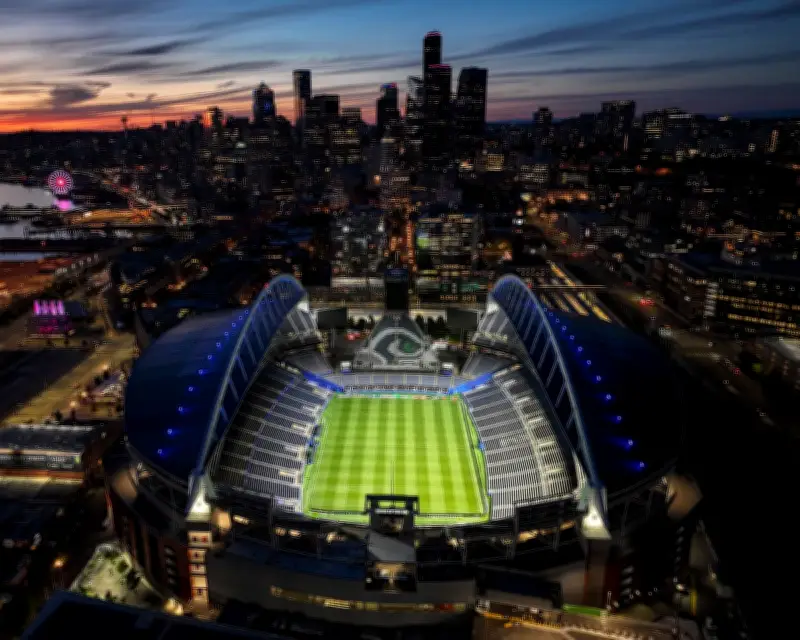
A football match held as part of Seattle Pride celebrations attracted a crowd comparable to a World Cup fixture, underscoring the cultural and political tensions between Egypt and Iran over LGBTQ+ rights. The event, which took place on June 25, 2026, featured prominent players from the recent World Cup, drawing an estimated 47,000 spectators to the stadium.
Massive Turnout for Pride Match
The match, organized by local LGBTQ+ advocacy groups in collaboration with the city of Seattle, was intended to promote inclusivity in sports. Organizers reported that tickets sold out within hours, with fans traveling from across the United States and abroad. The attendance figure of 47,000 rivals that of many World Cup group-stage matches, highlighting the growing intersection of sports and social activism.
Egypt and Iran React
The event drew sharp reactions from officials in Egypt and Iran, both of which have laws criminalizing homosexuality. Egyptian government spokesperson Ahmed Hafez stated, "Such events promote values that are incompatible with our cultural and religious norms." Meanwhile, Iranian foreign ministry spokesman Nasser Kanaani condemned the match as a "blatant attempt to normalize immoral behavior." Both nations have historically opposed LGBTQ+ visibility in international sports.

Impact on World Cup Diplomacy
The Seattle Pride match comes amid ongoing debates about human rights in host nations for major sporting events. With the 2030 World Cup bid process underway, activists have called on FIFA to ensure that future host countries uphold LGBTQ+ rights. According to a report by Human Rights Watch, at least 70 countries criminalize same-sex relationships, creating a complex landscape for international football governance.
Local Support and Criticism
Seattle Mayor Bruce Harrell praised the event, saying, "Seattle stands for equality and inclusion. This match demonstrates that sports can be a powerful force for social change." However, conservative groups in the city protested outside the stadium, arguing that the event politicized sports. Police reported no major incidents, with both sides exercising their right to peaceful assembly.
Players Speak Out
Several World Cup participants who played in the match voiced their support for LGBTQ+ rights. US women's national team star Megan Rapinoe, a longtime advocate, said, "Using our platform to stand up for equality is not political—it's human." Other players, including Brazilian forward Neymar and German captain Ilkay Gundogan, also participated, drawing attention to the cause. The match raised over $2 million for LGBTQ+ youth programs in the United States.
Broader Implications for Football
The Seattle Pride match has reignited discussions about the role of sports in advancing human rights. FIFA has faced pressure to take a stronger stance on anti-LGBTQ+ laws in member nations. In a statement, FIFA president Gianni Infantino reiterated the organization's commitment to inclusivity but stopped short of threatening sanctions against countries with discriminatory laws. Critics argue that FIFA's response remains insufficient, particularly as the 2026 World Cup in the US, Canada, and Mexico approaches. The tournament will be the first to be hosted by three nations, and organizers have pledged to make it the most inclusive yet.