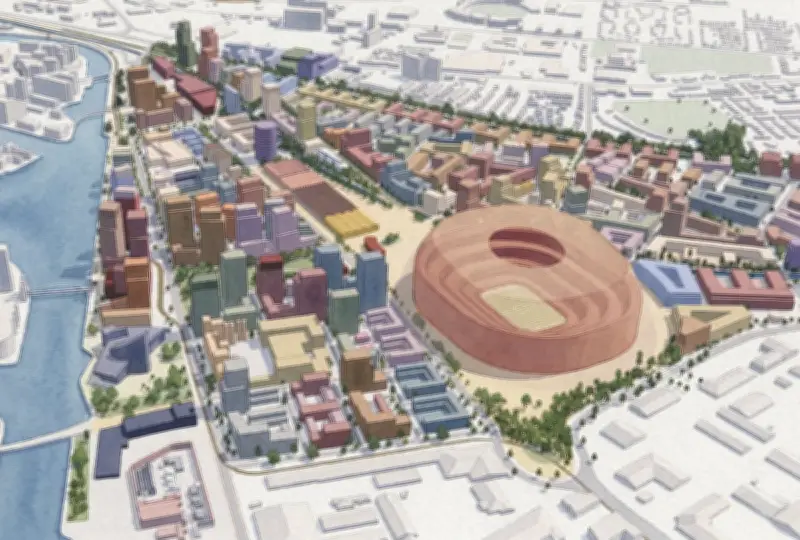
Club defends £2bn stadium plan amid debt concerns
Manchester United has insisted that its proposed new stadium is not a vanity project, even as the club faces the prospect of taking on more debt to fund the development. The club's chief operating officer, Collette Roche, told a fans' forum that the new ground is essential for the club's long-term competitiveness and financial sustainability.
Debt could rise by £1bn
The club's current net debt stands at £514m, and analysts have warned that borrowing to build a new stadium could push that figure beyond £1.5bn. However, United executives argue that the increased revenue from a modern, larger stadium would more than offset the additional debt servicing costs.
Old Trafford needs replacement
United's current home, Old Trafford, has a capacity of 74,310 but has fallen behind rivals in terms of fan experience and corporate facilities. The proposed new stadium, with a capacity of 100,000, would be the largest in the UK. Roche stated: 'This is not a vanity project. It is a necessity if we want to remain competitive at the highest level.'

Financing details remain unclear
The club has not yet confirmed how it will finance the project, but options include issuing bonds, taking out loans, or securing a naming rights deal. The Glazer family, who own the club, have a history of loading debt onto United, which has been a source of fan discontent.
Fan reaction mixed
Some supporters have welcomed the ambition, while others worry about the long-term financial burden. The Manchester United Supporters' Trust said: 'We need assurances that the club's debt levels will not spiral out of control, as they did after the Glazer takeover.'
Revenue potential cited
United expect the new stadium to generate an additional £100m per year in matchday revenue, from premium seating, hospitality, and concerts. The club also plans to develop the surrounding area, including a hotel and entertainment district.
Timeline and next steps
The club aims to submit a planning application by the end of 2026, with construction starting in 2027 and completion targeted for 2031. The project is part of a wider regeneration of the Trafford Park area.