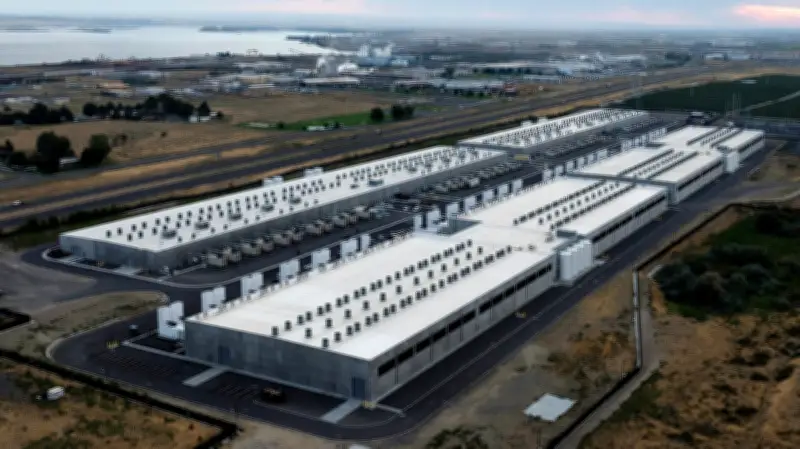
Artificial intelligence datacenter companies are increasingly wielding political influence, raising concerns about the erosion of democratic norms and public accountability, according to a leading expert. In a recent analysis, Dr. Sarah Thompson, a professor of digital governance at the University of Melbourne, argues that these firms are leveraging their economic clout and technological infrastructure to shape policy decisions in their favor.
How AI Datacenters Gain Political Power
Dr. Thompson explains that the vast computing resources and data storage capabilities of AI datacenters give their owners unprecedented leverage. "These companies control the backbone of the digital economy," she said. "Governments rely on them for critical services, from cloud computing to AI-driven analytics, creating a dependency that translates into political influence."
The report highlights that AI datacenter operators have lobbied successfully for favorable regulations, including tax breaks and relaxed environmental standards. In the United States, for instance, several states have passed laws to attract datacenter investments, often at the expense of local communities and environmental protections.

Impact on Democracy and Public Accountability
The concentration of power in a few corporate hands threatens democratic processes, Dr. Thompson warns. "When a handful of companies control the infrastructure for AI, they can shape public discourse, influence elections, and prioritize their interests over the public good," she said. The analysis cites examples where datacenter firms have resisted data privacy regulations and surveillance oversight, arguing that such measures would hamper innovation.
Moreover, the article notes that the opaque nature of these companies' operations makes it difficult for the public to hold them accountable. "There is a lack of transparency about how these datacenters are used, who has access to the data, and how decisions are made," Dr. Thompson said. This opacity, she argues, undermines trust in both the technology and the institutions that rely on it.
Global Implications and Policy Recommendations
The trend is not limited to the United States. In Australia, similar concerns have been raised as global tech giants expand their datacenter footprint. The Australian government has recently announced incentives for datacenter construction, drawing criticism from civil society groups who warn of the potential for corporate overreach.
Dr. Thompson calls for stronger regulatory frameworks to ensure that AI datacenter companies operate in the public interest. She recommends mandatory transparency reports, limits on political lobbying, and requirements for community benefit agreements. "We need to rethink the social contract with these powerful entities," she said. "Otherwise, we risk handing over the keys to our digital future to unaccountable corporations."
The analysis concludes by emphasizing the urgency of addressing this issue. As AI becomes more embedded in everyday life, the political influence of datacenter companies is likely to grow, making it essential for policymakers to act now to safeguard democratic principles.