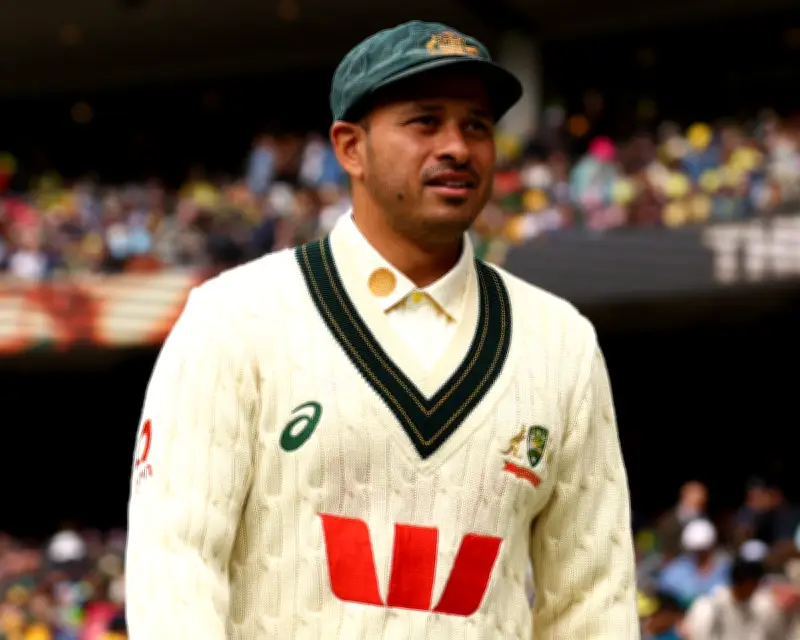
Usman Khawaja, the first Muslim to play Test cricket for Australia, has become a symbol of inclusion and diversity in a sport often seen as a bastion of Anglo-Australian culture. His journey from a young boy in Sydney to the pinnacle of cricket demonstrates that Islam not only belongs but enriches the fabric of Australian cricket.
Khawaja's Journey and Identity
Khawaja's Pakistani heritage and Muslim faith have been central to his identity, yet he has faced challenges and stereotypes throughout his career. In interviews, he has spoken about the importance of his faith, stating, "My religion is a big part of who I am. It gives me strength and perspective." His pride in his background has inspired many young Muslims to pursue their dreams in sport, showing that they too can represent Australia at the highest level.
Challenging Stereotypes
Despite his success, Khawaja has encountered prejudice. In 2017, he was subjected to a racist remark from a spectator during a match, highlighting the ongoing issue of discrimination in sport. However, his response—focusing on his performance and engaging with fans—has been lauded as a model of resilience. According to cricket commentator Harsha Bhogle, "Usman Khawaja is a great example of how sport can break down barriers. He doesn't just play cricket; he represents a more inclusive Australia."

Impact on Australian Cricket
Khawaja's presence in the Australian team has had a tangible impact on the sport's diversity. Cricket Australia has actively promoted multiculturalism, with initiatives like the "MCCU" program and the "Cricket for All" campaign. Data from Cricket Australia shows that participation among Muslim Australians has increased by 15% since Khawaja's debut, reflecting his role as a role model. His achievements, including a Test average of over 45, have silenced critics who questioned whether a Muslim could succeed in the Australian setup.
Belonging and National Identity
Khawaja's story is not just about cricket; it is about what it means to be Australian. In a nation grappling with debates over immigration and identity, his success offers a powerful counter-narrative. He embodies a multicultural Australia where faith and nationality are not in conflict. As he once said, "I'm an Australian who happens to be Muslim. The two are not mutually exclusive." This message resonates beyond the cricket field, fostering a sense of belonging for all Australians.
Conclusion
Usman Khawaja's career is a testament to the evolving nature of Australian cricket and society. By proudly embracing his Muslim identity, he has challenged stereotypes and expanded the definition of who can be an Australian sporting hero. His legacy will likely inspire future generations to see cricket as a game for everyone, regardless of background.