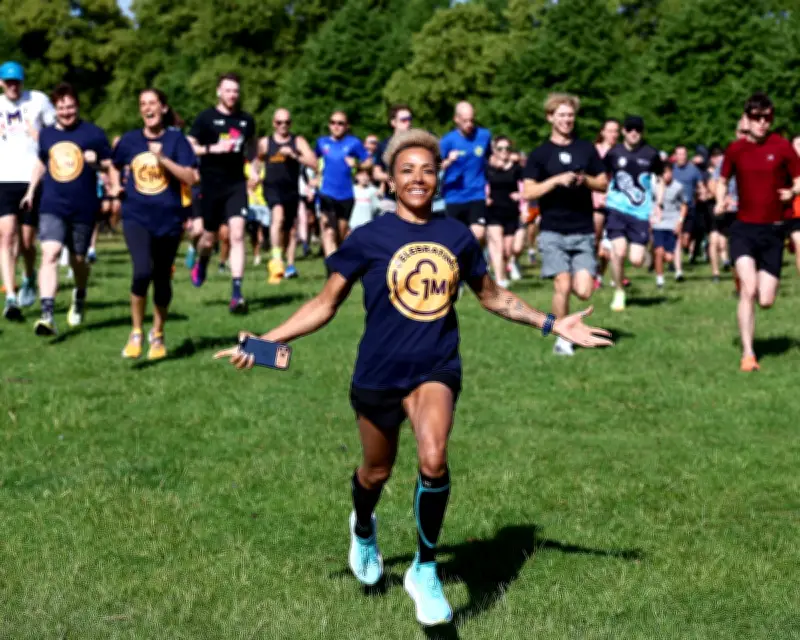
Parkrun, the free weekly community running event, has reached a monumental milestone: its millionth event. What began in 2004 with just 13 runners in Bushy Park, London, has exploded into a global phenomenon, with events now held in over 20 countries across five continents.
From Humble Beginnings to Global Movement
The first parkrun was organized by Paul Sinton-Hewitt, who wanted to create a social yet competitive running environment. The concept was simple: a timed 5km run every Saturday morning, free for all participants. The idea resonated, and soon parkruns were popping up across the UK and beyond. Today, over 9 million registered runners have taken part, with more than 2,000 events held weekly.
The millionth event, which took place on June 13, 2026, was celebrated with special runs, volunteer recognition, and community gatherings worldwide. In Australia alone, parkrun has become a weekend staple, with events in every state and territory attracting tens of thousands of participants each Saturday.

A Huge Spectrum of People Coming Together
Parkrun's success lies in its inclusivity. Unlike many running events, parkrun is free and open to all ages, abilities, and backgrounds. Participants can run, jog, walk, or volunteer, making it accessible to everyone. The event has become a social hub, fostering friendships and community spirit. As one regular participant noted, 'Parkrun is a huge spectrum of people coming together – from elite athletes to first-time walkers, all sharing the same path.'
The health benefits are also significant. Regular participation in parkrun has been linked to improved cardiovascular fitness, weight management, and mental well-being. Many participants report feeling a sense of accomplishment and belonging, which keeps them coming back week after week.
Volunteers: The Backbone of Parkrun
Central to parkrun's success is its army of volunteers. Each event relies on a team of volunteers for timing, marshaling, and coordination. In return, volunteers earn credits and recognition, with many going on to become run directors. The volunteer model keeps costs low and fosters a strong sense of ownership and community.
To mark the millionth event, parkrun launched a special volunteer appreciation campaign, highlighting stories of dedicated volunteers who have contributed for years. One volunteer from Sydney said, 'It's not just about the running; it's about giving back and seeing people achieve things they never thought possible.'
Global Expansion and Future Plans
Parkrun's growth shows no signs of slowing. The organization plans to expand into new countries, including parts of Asia and South America. There are also talks of introducing junior parkruns for children and longer distances for those seeking a challenge. Technology is also being embraced, with a new app that tracks personal bests and connects runners globally.
However, parkrun remains committed to its core values: free, weekly, and community-driven. As founder Paul Sinton-Hewitt said, 'Parkrun is about more than running; it's about bringing people together, improving health, and creating a sense of belonging. The millionth event is a testament to the power of a simple idea.'
Celebrations Around the World
On June 13, 2026, parkrun events worldwide held special celebrations. In London, the original Bushy Park event featured a record turnout of over 3,000 participants. In Cape Town, runners dressed in colorful costumes, while in Tokyo, participants enjoyed a post-run festival with local food and music. In Australia, events in Sydney, Melbourne, and Brisbane saw record numbers, with many runners wearing commemorative shirts.
The milestone has also sparked media attention, with stories highlighting parkrun's impact on individual lives. From weight loss journeys to mental health recovery, the event has changed countless lives. One participant from Melbourne shared, 'Parkrun saved my life. After a difficult divorce, it gave me a reason to get up on Saturdays and a community that supported me.'
As parkrun looks to the future, it remains dedicated to its mission of making running accessible to all. With the millionth event now in the history books, the next million await.