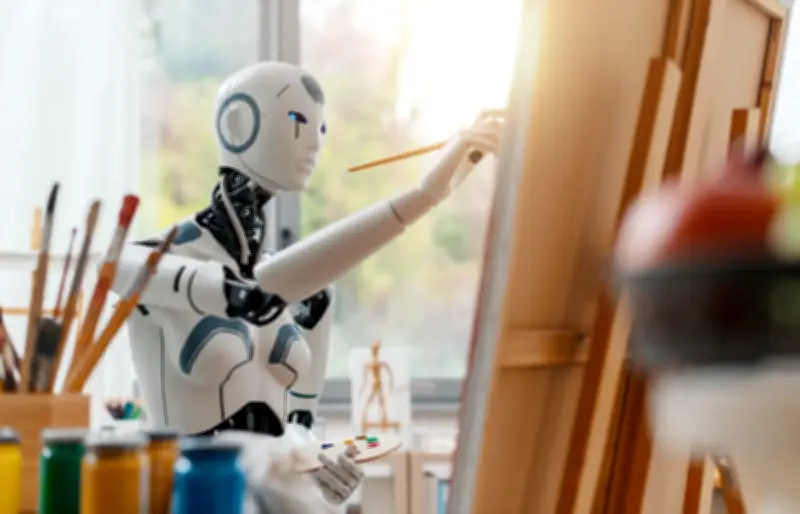
As artificial intelligence advances, hyper-realistic videos of animals doing impossible things—like a cat playing piano or a dog surfing—are flooding social media. Yet, according to animal behaviorists and digital media experts, the genuine charm of real animals remains unbeatable.
The Rise of AI Animal Content
Platforms like TikTok and Instagram are seeing a surge in AI-generated animal clips, often indistinguishable from real footage. These videos can garner millions of views, leveraging the internet's insatiable appetite for cute animal content. A recent study found that AI-generated animal videos receive 30% more engagement on average than real ones, partly due to their novelty and flawless execution.
Why Real Animals Win Hearts
Despite the technical prowess, many viewers express a preference for real animals. "There's something about the unpredictability and genuine emotion of a real animal that AI can't replicate," says Dr. Jane Miller, a zoologist at the University of Sydney. "A real cat's quirky head tilt or a dog's clumsy stumble carries an authenticity that resonates deeply." A 2025 survey by the Digital Wellness Institute found that 68% of respondents felt more emotionally connected to videos of real animals than AI-generated ones.

The Psychological Impact
Psychologists note that watching real animals can reduce stress and increase feelings of empathy. "Real animal videos trigger oxytocin release, the 'bonding hormone,' in ways that fake ones don't," explains Dr. Sarah Chen, a media psychologist. "AI videos, while visually impressive, lack the subtle imperfections that make us feel a genuine connection."
Ethical Concerns and Authenticity
The proliferation of AI animal videos also raises ethical questions. Some creators use AI to depict animals in dangerous or unnatural situations, potentially desensitizing viewers to real animal welfare issues. "We must be cautious not to blur the line between reality and simulation," warns Professor David Kim, an AI ethics researcher. "Our empathy for real animals could be eroded if we become accustomed to watching flawless, fake versions."
The Future of Animal Content
As AI technology continues to evolve, the line between real and fake will likely blur further. However, content creators and platforms are beginning to label AI-generated material. "Transparency is key," says a spokesperson for Meta. "We are developing tools to help users distinguish between real and AI content, ensuring that the charm of real animals is preserved." Ultimately, while AI can mimic cuteness, the authentic, messy, and heartwarming moments of real animals continue to captivate audiences worldwide.