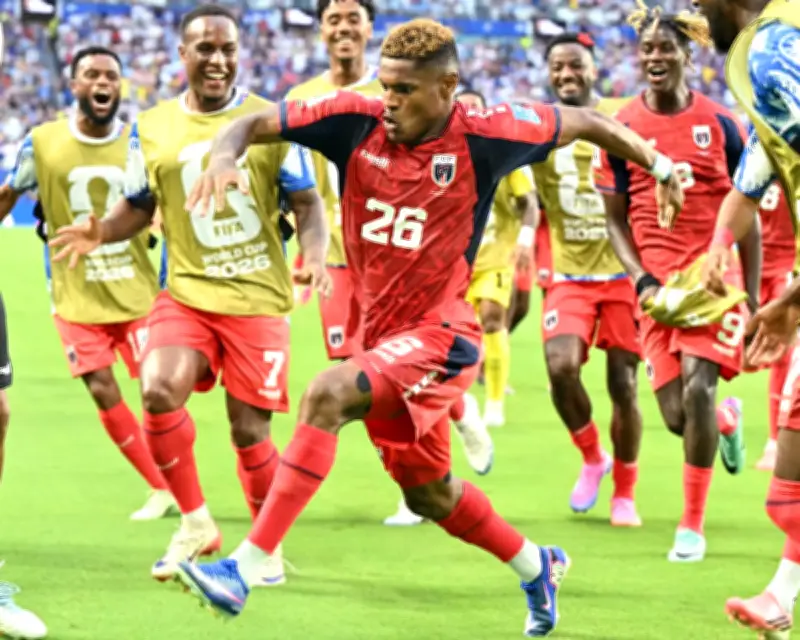
Cape Verdeans are reflecting on their national team's performance at the 2026 FIFA World Cup, a historic debut for the island nation. The Blue Sharks, as they are known, entered the tournament with high hopes but ultimately exited in the group stage, securing one draw and two losses. Despite the early exit, many fans express pride in reaching the global stage.
Historic Debut Brings Pride
For the first time, Cape Verde qualified for the World Cup, a feat celebrated across the archipelago. The team's journey to the tournament was marked by determination, overcoming stronger opponents in African qualifiers. Coach Bubista, who led the squad, emphasized the importance of the experience. "We showed we belong here," he said. "Our players gave everything, and the nation is proud."
Group Stage Results
Cape Verde was drawn into Group H alongside Brazil, Serbia, and Cameroon. Their opening match against Serbia ended in a 2-0 defeat, but they bounced back with a 1-1 draw against Cameroon, earning their first World Cup point. A final group match against Brazil resulted in a 3-0 loss, ending their campaign. According to FIFA statistics, Cape Verde managed 45% possession on average and created several scoring opportunities, but lacked finishing precision.

Mixed Emotions Among Fans
In the capital, Praia, fans gathered at viewing parties. Maria Lopes, a schoolteacher, said, "It's bittersweet. We dreamed of advancing, but just being here is incredible. The team fought hard." Others, like fisherman Carlos Mendes, were more critical: "We could have done better. The defense was shaky, and we missed too many chances." Social media buzzed with both praise and constructive criticism, reflecting a nation still learning to compete at the highest level.
Economic and Social Impact
The World Cup appearance brought significant attention to Cape Verde, a small island nation with a population of about 560,000. Tourism officials reported a 20% increase in inquiries about travel to the islands during the tournament. Local businesses, especially bars and restaurants, saw a boost in sales during match days. The government also used the opportunity to promote Cape Verde as a destination for sports tourism.
Looking Ahead
Despite the early exit, the future looks promising. The Cape Verdean Football Federation plans to invest in youth academies and coaching development. Several players, including star forward Jamiro Monteiro, have attracted interest from European clubs. Monteiro, who plays for the Philadelphia Union in MLS, stated, "This is just the beginning. We have young talent coming through, and we will be back." The team's performance has inspired a new generation of footballers in Cape Verde, with registration in youth leagues increasing by 30% since qualification.
Broader Context for African Teams
Cape Verde's debut is part of a growing trend of African nations making their mark at the World Cup. In 2026, five African teams qualified, including Morocco and Senegal, who advanced to the knockout stages. Cape Verde's journey, while short, added to the continent's representation and demonstrated that smaller nations can compete on the global stage. According to African football analyst Kwesi Appiah, "Cape Verde's performance shows that with proper investment, any African country can develop competitive teams."